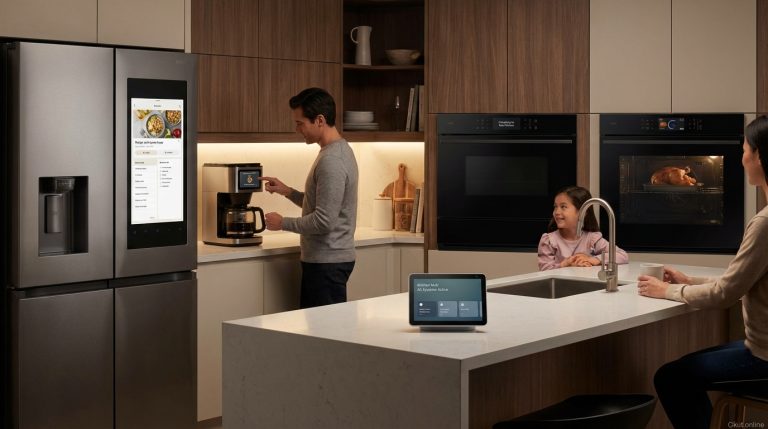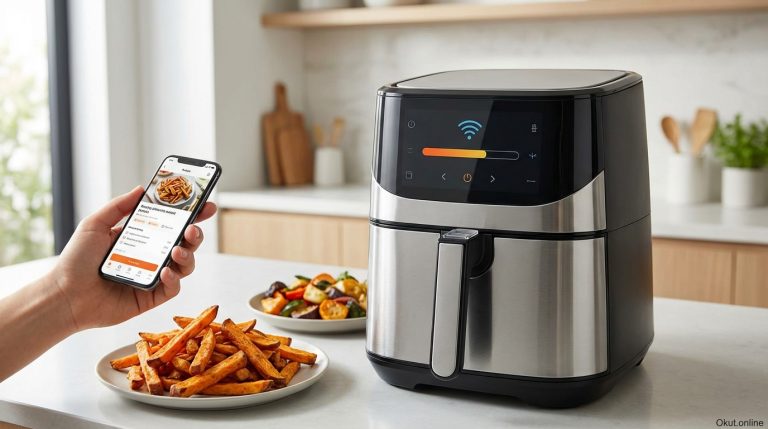
Smart ovens and ranges have evolved from basic WiFi connectivity to genuinely intelligent appliances that identify food, suggest cooking times, automatically adjust temperatures, and integrate with voice assistants for hands-free control. In 2026, smart cooking appliances range from countertop smart ovens under $500 to full-size ranges exceeding $3,000 with built-in cameras and AI-powered cooking assistance. This comprehensive guide compares top smart oven options, examines features worth paying for, and helps you decide whether upgrading your cooking appliances makes sense.
I. What Makes an Oven “Smart”
Understanding smart oven capabilities helps separate genuinely useful features from marketing additions.
A. Remote Monitoring and Control
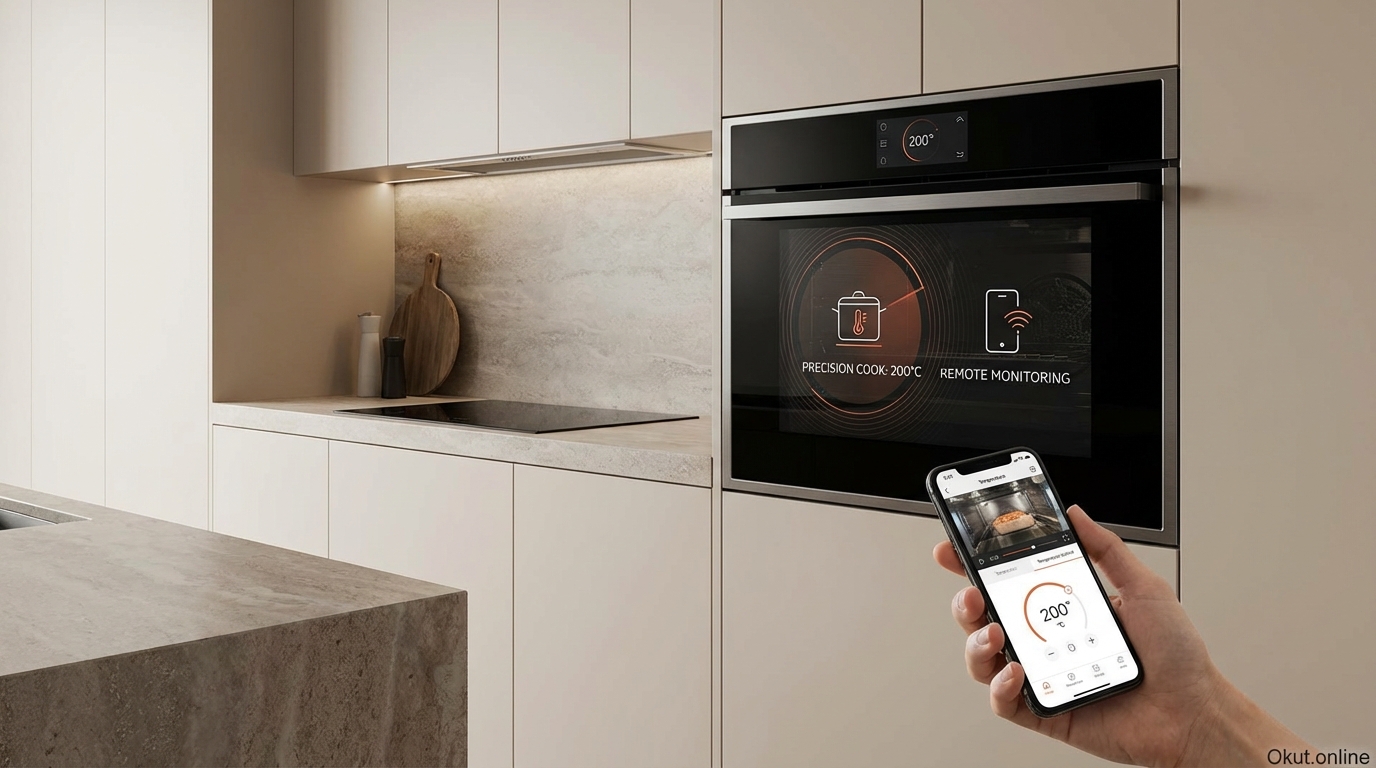
WiFi connectivity enables checking and adjusting your oven from anywhere through companion apps.
Preheat the oven from your phone as you head home from grocery shopping. Check cooking progress without opening the door. Receive alerts when preheating completes or timers expire.
Remote control has practical limits—you can’t put food in or take it out remotely. But eliminating waiting for preheat and monitoring progress adds real convenience.
B. Voice Control
Integration with Alexa, Google Assistant, or Siri enables hands-free oven control.
“Hey Google, preheat the oven to 375” starts heating while you prep ingredients.
Timer management through voice: “Alexa, set an oven timer for 45 minutes” works even if oven doesn’t have built-in smart timers.
C. Food Recognition and Guided Cooking
Advanced smart ovens use cameras to identify food and recommend cooking settings.
Place a chicken in the oven; camera identifies it and suggests roasting time/temperature based on apparent size.
Guided cooking walks through recipes step-by-step, adjusting temperature automatically at different stages.
D. Cooking Sensor Technology
Temperature probes and sensors monitor food doneness rather than just time.
Meat probes alert when internal temperature reaches target doneness.
Some ovens adjust cooking based on real-time food temperature rather than fixed time.
II. Top Smart Ovens (2026)
A. Samsung Smart Slide-In Range (NX60T8751SS) – $2,499
Samsung’s flagship smart range combines comprehensive features with premium build.
Samsung SmartThings integration provides app control and automation capability.
Air Fry built-in provides countertop air fryer results without additional appliance.
Wi-Fi connectivity enables remote monitoring, preheating, and alerts.
Edge-to-edge grates on gas models provide flexible pot placement.
Voice control through Bixby, Alexa, and Google Assistant.
Self-cleaning with steam clean option for lighter cleaning needs.
B. LG InstaView ThinQ Range – $2,299
LG combines smart features with InstaView knock-to-see technology.
InstaView window illuminates when you knock, checking on food without opening door and losing heat.
Air Fry and Air Sous Vide expand cooking capabilities beyond traditional baking/roasting.
ThinQ app integration provides remote monitoring and smart diagnosis for troubleshooting.
ProBake Convection for even baking results.
Alexa and Google compatibility for voice-controlled cooking.
C. GE Profile Smart Range – $1,899
GE’s smart range provides solid features at more accessible pricing.
SmartHQ app enables remote control, monitoring, and firmware updates.
Air Fry mode built into conventional oven.
No preheat air fry option for faster cooking start.
Precision cooking modes with probe for internal temperature monitoring.
Voice control through Alexa and Google Assistant.
D. June Oven (3rd Gen) – $599
June’s countertop smart oven focuses on AI-powered cooking assistance.
Internal camera identifies over 100 food types and suggests cooking programs automatically.
Live video monitoring lets you watch cooking progress from your phone.
Carbon fiber heating elements provide fast, even heating.
7-in-1 functionality: Air fryer, convection oven, toaster, broiler, dehydrator, slow cooker, warming drawer.
200+ One-Touch programs for automated cooking.
Limitations: Countertop footprint, smaller capacity than full-size ovens.
E. Tovala Smart Oven – $299
Tovala combines smart oven with meal kit subscription service.
Scan to cook: Tovala meals include barcodes that automatically set cooking programs.
Steam cooking capability for moist, evenly cooked results.
Meal kit integration: Designed for Tovala’s meal subscription (optional but core use case).
Works with grocery foods beyond Tovala meals via app programming.
Compact size: Fits countertops but has limited capacity.
III. Feature Analysis
A. Air Frying Built-In
Air fry capability in smart ovens eliminates need for countertop air fryers.
Many smart ranges now include air fry modes that circulate hot air for crispy results.
Capacity exceeds countertop air fryers—cook larger batches in full-size oven.
Trade-off: May not get quite as crispy as dedicated air fryers due to larger chamber volume.
B. Food Recognition Value
AI food identification sounds impressive but has practical limitations.
Works best for clearly identifiable items—whole chickens, pizza, toast.
Struggles with casseroles, mixed dishes, and less obvious food types.
Most useful for beginner cooks; experienced cooks likely know appropriate settings.
C. Remote Preheating
Starting preheat remotely saves waiting time when you arrive home.
Genuinely useful when returning from shopping—oven ready to cook immediately.
Safety consideration: Some platforms limit remote preheating or require recent app interaction before allowing remote start.
D. Guided Cooking Programs
Step-by-step cooking guidance helps novice cooks achieve better results.
Particularly valuable for complex recipes with multiple temperature stages.
Less necessary for experienced cooks who know their preferred approaches.
IV. Full-Size Range vs. Countertop Smart Oven
Understanding both categories helps you choose the right approach.
A. Full-Size Smart Range Benefits
- Larger capacity for family-sized meals
- Replaces existing range—no additional counter space needed
- Stovetop included for complete cooking solution
- Premium features at premium prices
B. Countertop Smart Oven Benefits
- Lower price entry point ($300-600 vs. $1,500-3,000+)
- Most advanced AI features (June camera recognition)
- Supplement rather than replace existing oven
- Reduced heating costs for small meals
- Trade-off: Limited capacity, requires counter space
V. Common Mistakes to Avoid
- Paying for Features You Won’t Use: Food recognition is impressive but unnecessary if you’re an experienced cook.
- Ignoring Reliability: More technology means more potential failure points. Check reliability reviews before purchase.
- Forgetting Basic Needs: Ensure the oven cooks well traditionally before prioritizing smart features.
- Underestimating Countertop Space: Smart countertop ovens take significant space. Measure before purchasing.
VI. Practical Tips
- Use Remote Preheat: Start preheating as you leave the store—oven ready when you arrive home.
- Integrate with Routines: Include oven preheating in dinner prep routines triggered by voice.
- Use Temperature Probes: Probes provide more reliable doneness indication than time-based cooking.
- Keep Apps Updated: Firmware updates improve smart features over time.
VII. Comparison Table
| Model | Type | Price | Food Recognition | Best For |
|---|---|---|---|---|
| Samsung Smart Range | Full-size | $2,499 | No | Premium connected kitchen |
| LG InstaView ThinQ | Full-size | $2,299 | No | InstaView + smart features |
| GE Profile Smart | Full-size | $1,899 | No | Value full-size smart range |
| June Oven | Countertop | $599 | Yes | AI cooking assistance |
| Tovala Smart Oven | Countertop | $299 | No (scan-to-cook) | Meal kit integration |
VIII. Conclusion
Smart ovens and ranges provide genuine convenience through remote monitoring, voice control, and integrated features like air frying. Full-size smart ranges from Samsung, LG, and GE offer connected cooking at premium prices best suited for kitchen renovations or appliance replacement. Countertop options like June Oven provide the most advanced AI features at lower cost but trade off capacity and counter space. For most households, smart features are nice-to-have rather than essential—the oven should cook well first, with smart features as bonus. Remote preheating and voice control add meaningful convenience; food recognition and guided cooking help less experienced cooks but matter less for cooking enthusiasts.
Would you choose a smart oven for your kitchen, and which features matter most to you? Share your smart kitchen plans in the comments!
About the Author