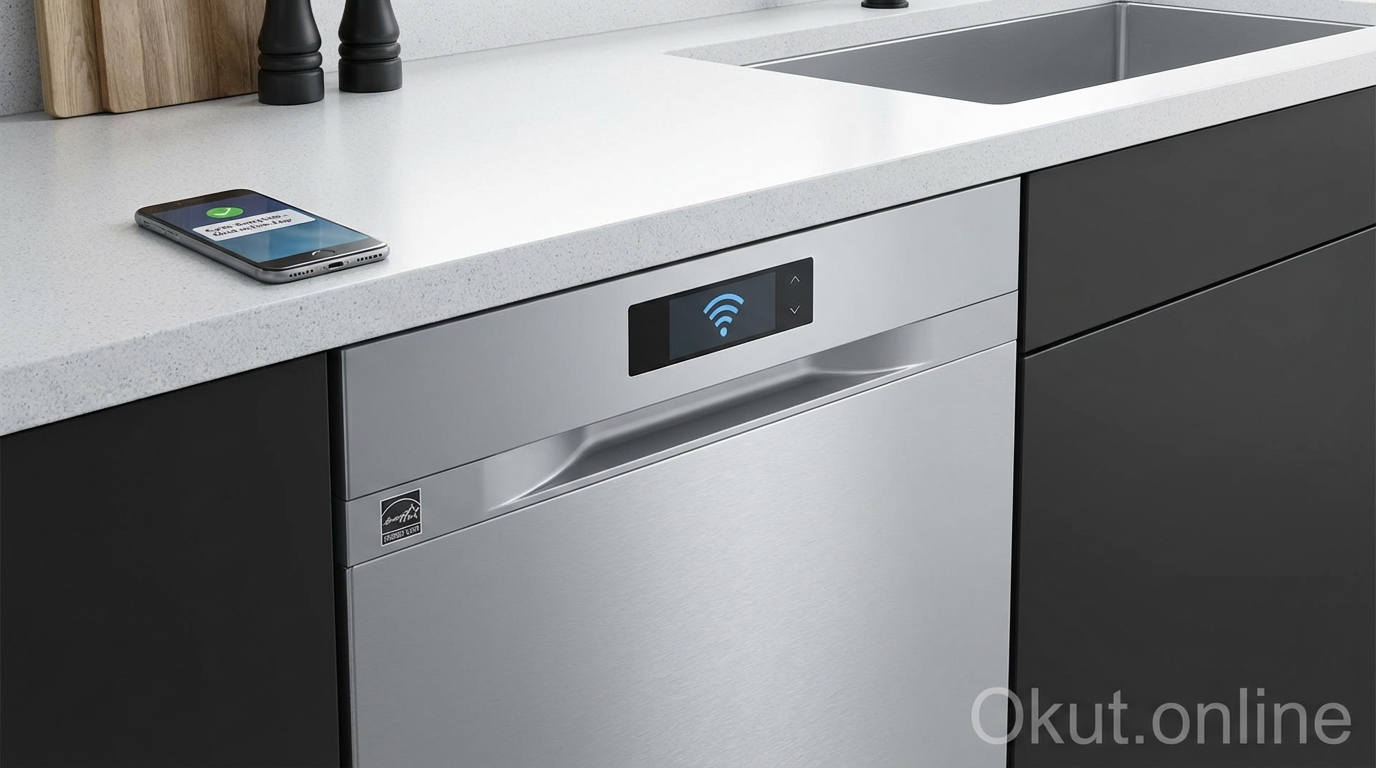
Smart dishwashers add WiFi connectivity, app control, and monitoring features to the essential kitchen appliance, providing convenience benefits from remote cycle management to leak detection alerts. In 2026, smart dishwashers range from budget-friendly WiFi-enabled models under $700 to premium appliances exceeding $1,500 with advanced sensors and premium cleaning performance. This guide compares top smart dishwashers, examines which connected features provide real value, and helps you decide whether smart dishwasher investment makes sense for your household.
I. What Smart Dishwashers Offer
Understanding smart dishwasher capabilities helps evaluate whether these features justify price premiums.
A. Remote Monitoring and Control
WiFi connectivity enables checking and controlling your dishwasher from anywhere.
Start cycles remotely when not at home—useful for running dishwasher during off-peak electricity rates or ensuring dishes are ready when you return.
Check cycle status without visiting the kitchen. Receive notifications when cycles complete or if problems occur.
Delay and schedule cycles through apps for quieter operation during specific hours or lowest energy rates.
B. Cycle Completion Alerts
Push notifications when washing completes eliminate checking repeatedly.
Know immediately when dishes are ready to unload rather than guessing based on start time.
Particularly useful for quiet dishwashers where cycle-end sounds aren’t audible from other rooms.
C. Leak Detection
Smart sensors detect water leaks and alert you before significant damage occurs.
Immediate smartphone alerts if water is detected outside normal containment.
Some models integrate with smart home systems to automatically shut off water supply when leaks detected.
Potentially prevents thousands of dollars in water damage—significant value beyond convenience.
D. Diagnostic and Maintenance Alerts
Smart diagnostics identify issues and suggest solutions before they become problems.
Error codes translate to plain-language explanations in apps.
Filter and maintenance reminders keep dishwasher running optimally.
Some models enable technician remote diagnosis, potentially avoiding service calls for simple issues.
E. Voice Control
Integration with Alexa, Google Assistant, or Siri enables hands-free operation.
“Hey Google, start the dishwasher” begins cycles without touching controls.
Check status via voice: “Alexa, how much time left on the dishwasher?”
II. Top Smart Dishwashers (2026)
A. Bosch 800 Series (SHPM88Z75N) – $1,349
Bosch combines excellent cleaning performance with refined smart features.
Home Connect app provides remote monitoring, cycle start/stop, and status notifications.
CrystalDry technology uses natural mineral (Zeolite) to enhance drying, even for plastics.
PrecisionWash sensors analyze soil levels and adjust wash intensity automatically.
42 dB operation—among the quietest dishwashers available.
Alexa and Google compatible for voice control.
Third rack provides additional capacity for utensils and small items.
Best for: Users prioritizing quiet operation and cleaning performance alongside smart features.
B. LG ThinQ Dishwasher (LDTH7972S) – $999
LG packs comprehensive smart features at mid-range pricing.
ThinQ app enables remote control, monitoring, and smart diagnosis.
TrueSteam technology reduces water spots and enhances sanitization.
QuadWash Pro with multi-motion spray arms for thorough cleaning.
Smart Diagnosis troubleshoots issues via app or phone call.
Alexa and Google compatible.
42 dB operation for quiet running.
Best for: Feature-rich smart dishwashing at moderate pricing.
C. Samsung Smart Dishwasher (DW80B7070US) – $849
Samsung offers smart connectivity with strong value proposition.
SmartThings app integration for control and monitoring.
AutoRelease Door automatically opens door at cycle end for improved drying.
Quiet operation at 42 dB.
Fingerprint-resistant finish.
Alexa and Google compatible for voice control.
Best for: Smart features at value-oriented pricing.
D. Miele G 7000 Series – $1,799+
Premium German engineering with sophisticated smart integration.
Miele@home WiFi connectivity for app control.
AutoDos automatic detergent dispensing doses precisely based on load and soil.
3D MultiFlex tray provides adjustable third rack.
AutoOpen drying opens door automatically at cycle end.
Energy efficiency among the best available.
Extended warranty typical for Miele products.
Best for: Users prioritizing build quality and premium performance.
E. GE Profile Smart Dishwasher (PDT755SYRFS) – $1,199
GE combines solid features with broad smart home compatibility.
SmartHQ app for remote control and monitoring.
UltraFresh System circulates air to prevent odors between cycles.
Dry Boost technology enhances drying results.
Deep Clean silverware jets target heavily soiled items.
Voice control through Alexa and Google.
Best for: Households wanting solid smart features from established appliance brand.
III. Smart Features Worth Paying For
Not all smart features provide equal value. Here’s what matters most.
A. High-Value Features
Leak detection with alerts: Potentially saves thousands in water damage—worth premium for peace of mind.
Cycle completion notifications: Genuinely useful, especially for quiet dishwashers.
Remote start for time-of-use rates: If your electricity has off-peak pricing, starting cycles remotely during cheap hours provides ongoing savings.
B. Moderate-Value Features
Voice control: Convenient but not essential—how often do you really need hands-free dishwasher control?
Diagnostics: Helpful when problems occur but rarely used.
Status monitoring: Nice to have but easily replaced by timers or checking physically.
C. Low-Value Features
Remote cycle selection: You need to load the dishwasher in person anyway.
Fancy app interfaces: Used rarely after initial setup.
IV. Smart Dishwasher Integration
Smart dishwashers become more useful when integrated into broader home automation.
A. Time-of-Use Scheduling
Schedule dishwasher to run during lowest electricity rate periods.
Many utilities offer cheaper overnight rates—schedule cycles to start at midnight.
Some smart home platforms automate this based on utility rate data.
B. Routine Integration
Include dishwasher status checks in morning or evening routines.
“Alexa, goodnight” routine might check dishwasher status and remind you to start if loaded but not running.
C. Leak Response Automation
Connect leak detection to water shutoff valves for automatic leak response.
Smart water valves (Moen Flo, Phyn) can shut off water supply automatically when dishwasher leak detected.
Provides genuine damage prevention beyond simple alerts.
V. Common Mistakes to Avoid
- Prioritizing Smart Over Clean: Cleaning performance matters more than smart features. Check cleaning reviews before smart feature comparisons.
- Ignoring Noise Levels: Smart features don’t help if dishwasher noise disrupts household. Prioritize decibel ratings alongside connectivity.
- Overpaying for Features: Don’t pay $500 premium for features you’ll rarely use. Evaluate specific value for your household.
- Forgetting App Quality: Companion app experience varies significantly. Check app store ratings and reviews.
VI. Practical Tips
- Enable Leak Alerts: The single most valuable smart feature—make sure it’s properly configured.
- Use Scheduling: If you have time-of-use electricity rates, schedule cycles during off-peak hours.
- Set Up Notifications: Configure cycle completion alerts to know when dishes are ready.
- Check Connection: Ensure dishwasher has strong WiFi signal for reliable smart features.
VII. Comparison Table
| Model | Price | Noise Level | Highlights |
|---|---|---|---|
| Bosch 800 Series | $1,349 | 42 dB | CrystalDry, ultra-quiet |
| LG ThinQ | $999 | 42 dB | TrueSteam, QuadWash Pro |
| Samsung Smart | $849 | 42 dB | AutoRelease, value pricing |
| Miele G 7000 | $1,799+ | 40-44 dB | AutoDos, premium build |
| GE Profile | $1,199 | 42 dB | UltraFresh, Dry Boost |
VIII. Conclusion
Smart dishwashers provide genuine benefits through remote monitoring, cycle alerts, and especially leak detection—the feature that potentially saves thousands in water damage. Bosch 800 Series leads for quiet operation and cleaning performance; LG ThinQ offers comprehensive features at mid-range pricing; Samsung provides smart connectivity at value pricing. The most valuable smart features (leak detection, completion alerts) justify modest premiums, while advanced remote control features matter less for appliances you interact with physically anyway. Choose based on cleaning performance first, then smart features that match your specific needs.
Would you prioritize smart features in your next dishwasher purchase? Share your thoughts in the comments!
About the Author