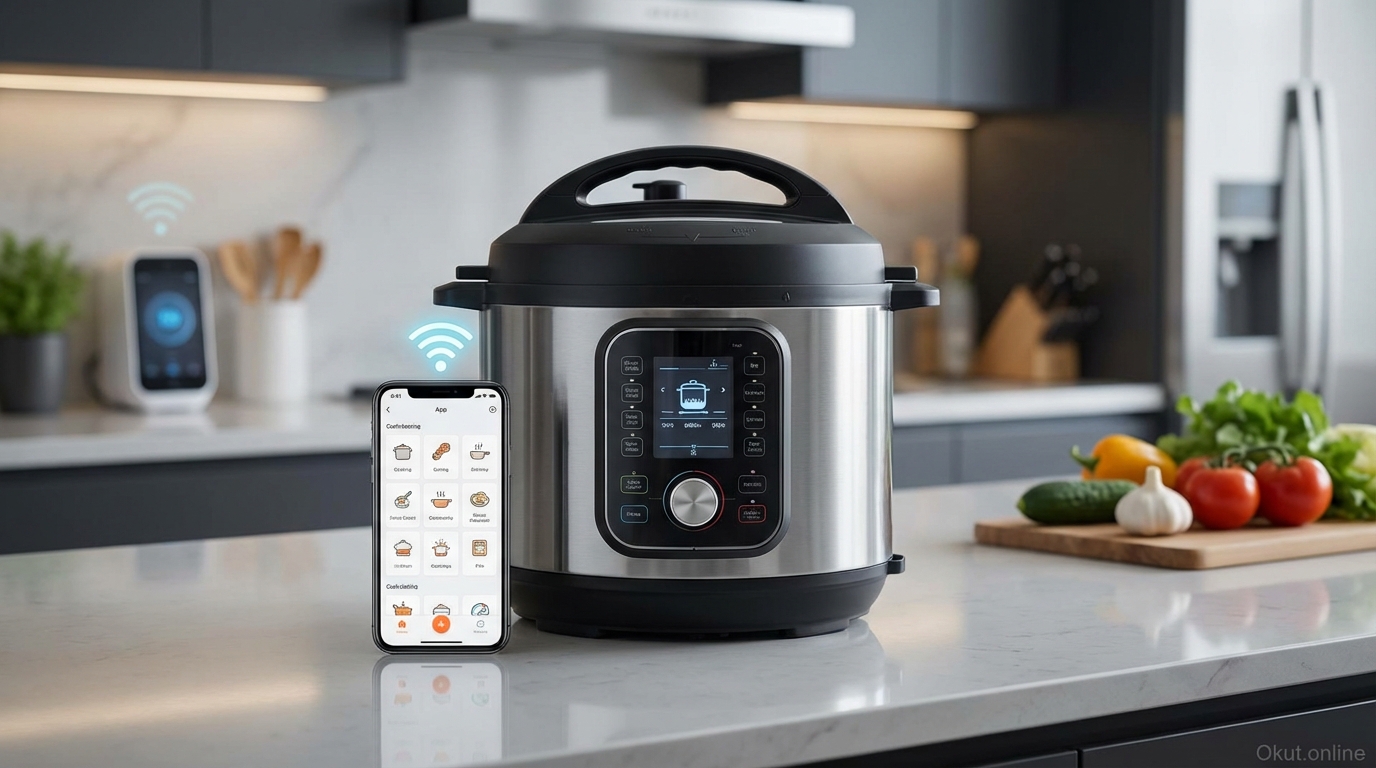
Instant Pot has become synonymous with smart pressure cooking, offering multi-function appliances that combine pressure cooking, slow cooking, sautéing, and more in single countertop units. In 2026, the lineup ranges from basic models under $100 to WiFi-connected smart versions with app control and guided cooking programs. This guide compares Instant Pot models and smart pressure cooker alternatives, explains which features justify higher prices, and helps you select the right multi-cooker for your cooking style and household size.
I. Understanding Instant Pot Categories
Instant Pot offers multiple product lines with different feature levels and price points.
A. Duo Series (Basic)
The Duo line provides core multi-cooker functionality at accessible prices.
7-in-1 functionality: Pressure cooker, slow cooker, rice cooker, steamer, sauté pan, yogurt maker, warmer.
No WiFi connectivity—programming happens entirely through physical buttons on the unit.
Pricing: $70-100 depending on size (3, 6, or 8 quart).
Best for: Users wanting multi-cooker functionality without smart features.
B. Duo Plus Series
Duo Plus adds more cooking programs and sous vide capability.
9-in-1 functionality adds sous vide and sterilize programs.
Easy Seal lid automatically seals when pressure cooking begins.
Still no WiFi—physical controls only.
Pricing: $100-140 depending on size.
Best for: Expanded cooking versatility without connected features.
C. Pro Series
Pro models add premium features and more cooking programs.
10+ cooking programs including cake, egg, and more specialized modes.
Improved display and user interface.
Sous vide function included.
No WiFi connectivity.
Pricing: $120-170.
D. Smart WiFi (Pro Plus WiFi)
The Pro Plus WiFi adds app connectivity for remote monitoring and guided cooking.
WiFi connectivity enables remote monitoring, app-based programming, and recipe guidance.
10+ cooking programs.
Guided cooking through app walks through recipes step-by-step.
Voice control through Alexa integration.
Pricing: $150-200.
Best for: Users wanting connected cooking and recipe guidance.
II. Smart Features Deep Dive
Understanding what WiFi connectivity adds helps evaluate whether smart investment makes sense.
A. Remote Monitoring
The Instant Pot app shows cooking progress remotely.
Check how much time remains from anywhere. Receive notifications when cooking completes.
Useful for long cooks like pulled pork or stock where you’re away from kitchen for extended periods.
Cannot start cooking remotely—food needs to be loaded in person for safety reasons.
B. Guided Cooking
The app provides step-by-step recipe instructions that sync with the cooker.
Select recipe in app; Instant Pot automatically sets correct programs and times.
Particularly valuable for beginners learning pressure cooking.
Recipe library includes hundreds of tested recipes with automatic programming.
C. Voice Control
Alexa integration enables hands-free control.
“Alexa, start pressure cooking for 30 minutes” begins timer.
“Alexa, what’s the status of my Instant Pot?” checks cooking progress.
Useful for hands-free kitchen operation while prepping other items.
D. Scheduling
Schedule cooking to start at specific times (within safety limits).
Start dinner cooking before you arrive home from work.
Keep in mind food safety—scheduled cooking works best for foods safe at room temperature until cooking begins.
III. Model Comparison
A. Instant Pot Duo (6 Quart) – $89
Programs: 7-in-1 functionality
Connectivity: None
Key features: Stainless steel inner pot, dishwasher safe, 13 safety features
Best for: Budget-conscious buyers wanting core functionality
B. Instant Pot Duo Plus (6 Quart) – $119
Programs: 9-in-1 with sous vide and sterilize
Connectivity: None
Key features: Easy Seal lid, whisper quiet steam release, sous vide function
Best for: Users wanting expanded programs without WiFi
C. Instant Pot Pro Plus Smart (6 Quart) – $169
Programs: 10+ cooking programs
Connectivity: WiFi with app control
Key features: Guided cooking, voice control, custom programs
Best for: Connected cooking enthusiasts
D. Alternatives: Ninja Foodi Smart Lid – $199
Programs: 14-in-1 including air frying
Connectivity: App connectivity on some models
Key features: SteamCrisp technology, integrated air fry lid
Best for: Users wanting pressure cooking + air frying in one unit
IV. Size Selection Guide
Choosing the right size prevents capacity regrets or wasted counter space.
A. 3-Quart (Mini)
- Serves 1-2 people comfortably
- Good for side dishes, grains, small batches
- Limited for batch cooking or family meals
- Ideal for singles, couples, or dorm rooms
B. 6-Quart (Standard)
- Serves 4-6 people
- Most popular size for families
- Handles most recipes without modification
- Balanced counter space footprint
- Best choice for most households
C. 8-Quart (Large)
- Serves 6-8+ people
- Ideal for batch cooking and meal prep
- Handles large roasts and whole chickens easily
- Significant counter space required
- Best for large families or batch cooking enthusiasts
V. Common Cooking Successes
Instant Pots excel at certain cooking tasks that justify their versatility.
A. Best Uses
- Beans from dry: Dried beans in under an hour without overnight soaking
- Rice and grains: Perfect rice hands-off
- Tough cuts of meat: Brisket, pork shoulder, short ribs tender in fraction of braising time
- Stock and broth: Homemade stock in 2 hours vs. all-day stovetop
- Stews and soups: Rich, developed flavors quickly
- Hard boiled eggs: Easy-peel eggs with consistent results
B. Less Ideal Uses
- Anything requiring browning/crust: Pressure cooking steams rather than browns
- Quick-cooking vegetables: Often faster in microwave or stovetop
- Fried foods: Use air fryer lid models or separate appliance
VI. Common Mistakes to Avoid
- Overfilling: Never exceed max fill line—pressure cooking needs headspace.
- Insufficient Liquid: Pressure cooking requires liquid to generate steam. Add at least 1/2 to 1 cup minimum.
- Wrong Size: Too small forces batch cooking; too large takes longer to pressure.
- Ignoring Safety: Don’t force open under pressure. Wait for natural or quick release.
VII. Practical Tips
- Start with Water Test: Run water test on new unit to learn operation before cooking food.
- Use Trivet: Included trivet keeps food elevated above liquid for steaming.
- Deglaze After Sauté: Scrape fond (browned bits) before pressure cooking to prevent burn errors.
- Natural Release for Meat: Natural pressure release (NPR) keeps meat more tender than quick release.
- Extra Inner Pot: Consider purchasing second inner pot for quicker consecutive cooking.
VIII. Comparison Table
| Model | Price (6Qt) | WiFi | Programs | Best For |
|---|---|---|---|---|
| Instant Pot Duo | $89 | No | 7-in-1 | Budget entry |
| Instant Pot Duo Plus | $119 | No | 9-in-1 | Expanded features |
| Instant Pot Pro Plus | $169 | Yes | 10+ | Smart cooking |
| Ninja Foodi Smart Lid | $199 | Some | 14-in-1 | Pressure + air fry |
IX. Conclusion
Instant Pot multi-cookers provide genuine cooking convenience—particularly for beans, grains, tough meats, and hands-off weeknight meals. Smart WiFi models add guided cooking and remote monitoring worthwhile for beginners or those wanting app-based recipe assistance. The 6-quart Duo provides excellent value for core functionality; Duo Plus adds sous vide and improved lid design; Pro Plus Smart adds WiFi for connected cooking. Size matters—6-quart suits most families; 8-quart serves batch cooking or larger households. Whether smart features justify their premium depends on how much you value guided cooking and app integration.
Do you use an Instant Pot, and would smart features change how you cook? Share your pressure cooking experience in the comments!
About the Author