A connected smart kitchen combines WiFi-enabled appliances, voice assistants, and automation routines into a cohesive cooking environment where devices work together rather than in isolation. In 2026, kitchen integration possibilities range from simple voice-controlled appliances to sophisticated systems where ovens communicate with exhaust fans, refrigerators suggest recipes based on contents, and morning routines prepare coffee while reading your schedule. This guide explains how to build a truly connected kitchen, covers ecosystem considerations, and demonstrates practical integrations that make smart kitchen investment worthwhile.
I. Smart Kitchen Ecosystem Building Blocks
Understanding the components that form connected kitchens helps you build integrated systems rather than isolated smart appliances.
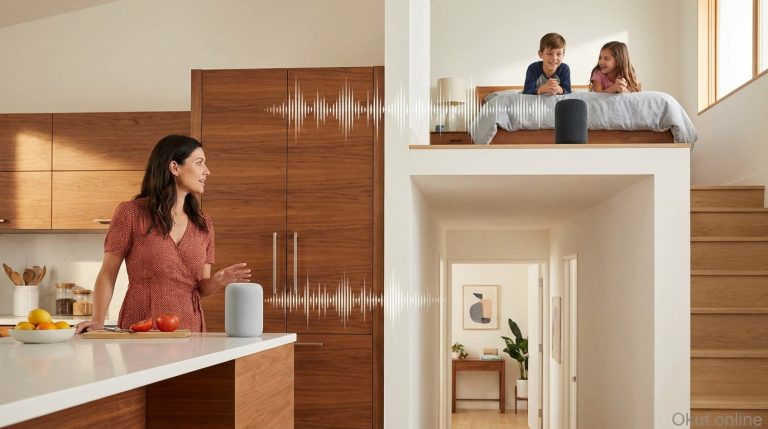
A. Voice Assistants as Kitchen Hub
Voice assistants serve as the control center for smart kitchen operations.
Amazon Alexa integrates with the widest range of kitchen appliances—from coffee makers to ovens to refrigerators.
Google Assistant provides excellent natural language understanding for recipe questions and kitchen queries.
Apple Siri integrates with HomeKit-compatible devices for Apple households.
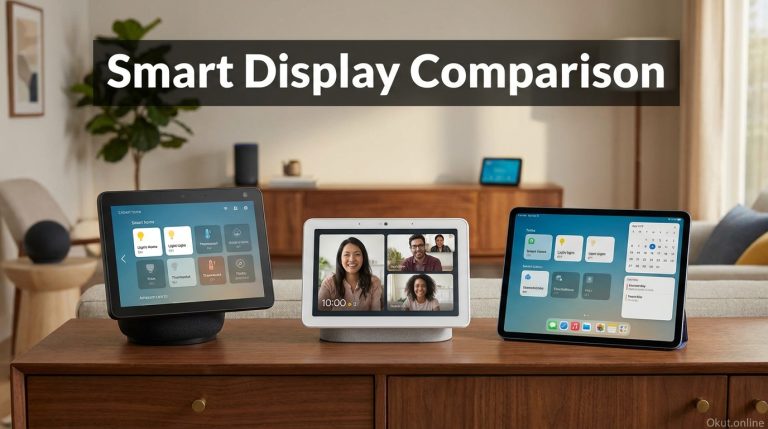
Smart displays (Echo Show, Nest Hub) add visual recipe guidance, timers, and hands-free video capabilities valuable during cooking.
B. Smart Display in Kitchen
Dedicated smart displays provide information and control without phone involvement.
Recipe display at eye level keeps instructions visible while cooking.
Multiple simultaneous timers with visual display helps manage complex meals.
Camera feeds from doorbell or security system visible without leaving kitchen.
Entertainment (music, video, podcasts) while cooking enhances kitchen time.
C. Connected Appliances
WiFi-enabled appliances provide the devices that actually cook, store, and process food.
Major appliances (refrigerator, oven, dishwasher) provide monitoring, alerts, and remote control.
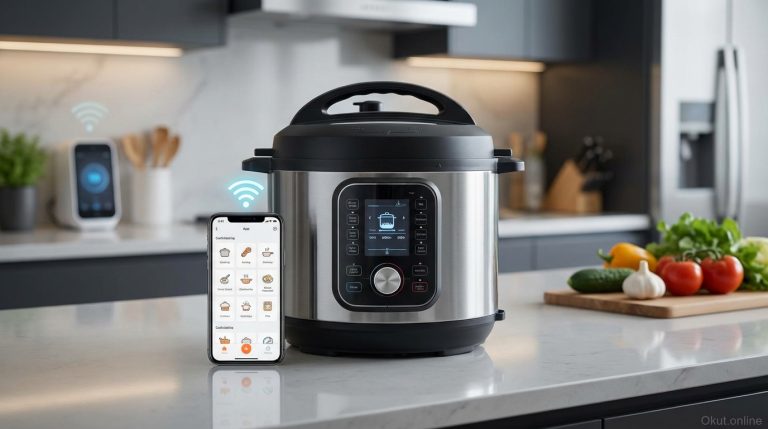
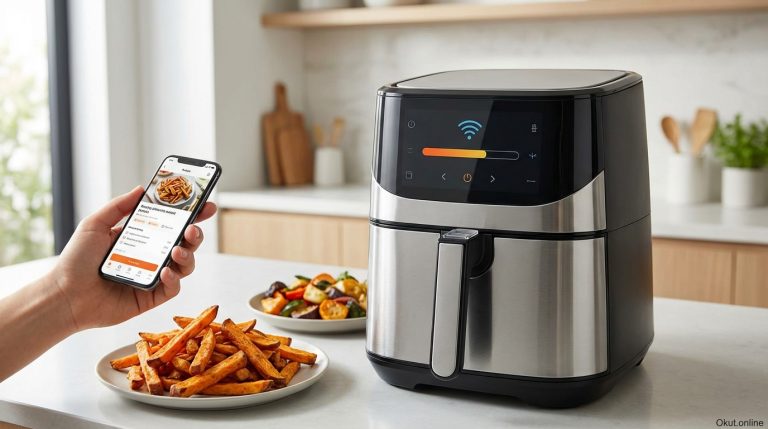
Countertop appliances (coffee maker, air fryer, sous vide) add connected cooking for specific tasks.
Each connected appliance extends automation possibilities and voice control reach.
D. Smart Kitchen Assistants
Specialized devices assist with kitchen-specific tasks.
Smart scales connect to apps for recipe following and nutritional tracking.
Meat thermometers with wireless connectivity monitor cooking remotely.
Water dispensers and filtration systems with usage tracking.
II. Ecosystem Considerations
Choosing compatible appliances matters for integrated kitchen operation.
A. Brand Ecosystem Approach
Major appliance manufacturers offer connected ecosystems for their products.
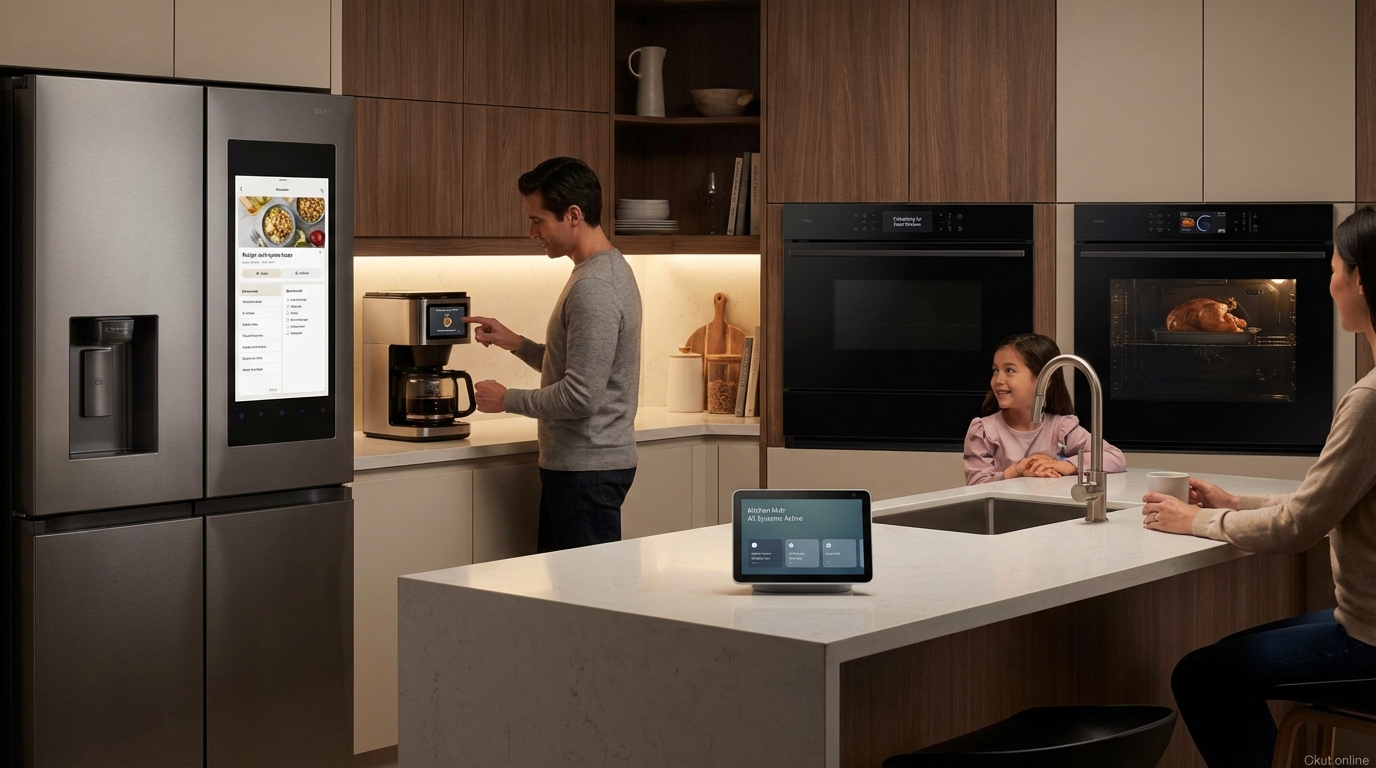
Samsung SmartThings: Samsung refrigerators, ranges, dishwashers integrate through SmartThings hub and app. Family Hub refrigerator can control other Samsung appliances.
LG ThinQ: LG appliances connect through ThinQ app with Alexa and Google integration.
GE SmartHQ: GE Profile and Café appliances connect through unified platform.
Single-brand approach ensures integration but limits appliance choices.
B. Voice Assistant Ecosystem
Choosing appliances compatible with your preferred voice assistant provides integration regardless of appliance brand.
Alexa Works With: Largest compatibility list—most smart appliances support Alexa.
Google Assistant: Strong support from major manufacturers; slightly smaller compatibility list than Alexa.
HomeKit: More limited appliance support but strong security and privacy.
Voice assistant approach enables mixing brands while maintaining unified control.
C. Smart Home Hub Integration
Smart home hubs like SmartThings, Hubitat, or Home Assistant can unify diverse appliances.
Hub aggregation brings appliances from different manufacturers into single control point.
Automation engine creates cross-device routines impossible with individual apps.
More complexity but maximum flexibility for advanced users.
III. Practical Kitchen Integrations
These example integrations demonstrate genuine value from connected kitchen components.
A. Morning Coffee Automation
Combine coffee maker, schedule, and voice assistant for perfect morning timing.
Simple version: Schedule coffee maker to brew at wake time.
Smart version: Include coffee in morning routine. “Alexa, good morning” starts coffee while also turning on lights and providing weather.
Advanced version: Trigger coffee brewing when morning alarm is dismissed—starts based on actual wake rather than scheduled time.
B. Cooking Start Automation
Use routines to prepare kitchen for cooking sessions.
“Alexa, I’m cooking” could:
- Turn on kitchen lights to full brightness
- Start exhaust fan
- Begin playlist or podcast
- Display recipes on smart display
- Set kitchen thermostat slightly cooler (compensating for cooking heat)
C. Oven and Exhaust Fan Link
Some integrations connect oven activation to automatic exhaust operation.
Smart ranges can trigger connected exhaust fans automatically when cooking begins.
If exhaust isn’t directly integrated, automations through SmartThings or routines can achieve similar effect.
D. Refrigerator Inventory to Shopping
Smart refrigerator cameras connect to shopping list management.
Check refrigerator contents from grocery store via phone.
Add items to shopping list via voice or refrigerator interface.
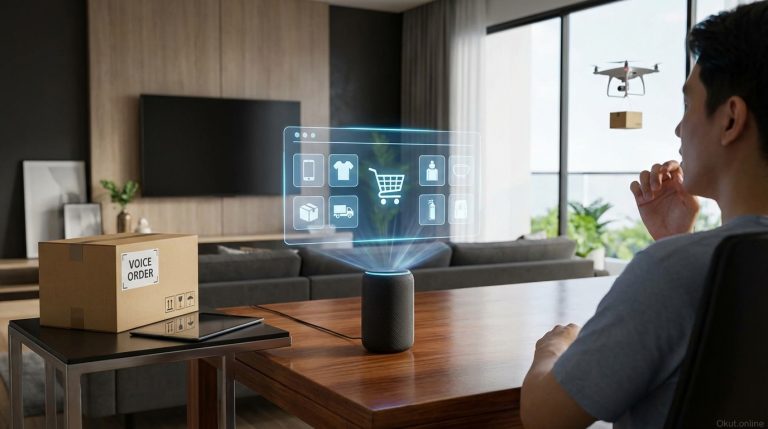
Shopping list integration with delivery services for seamless ordering.
E. Dishwasher Completion Routines
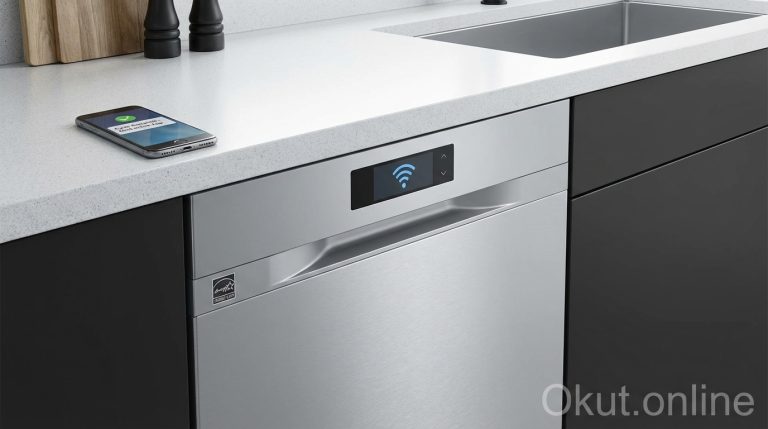
Dishwasher integration provides practical notification and automation.
Cycle completion notification alerts you dishes are ready to unload.
Schedule dishwasher during off-peak electricity rates for cost savings.
Alert integration: “Dishwasher done” announcement on kitchen speaker.
IV. Voice Commands for Kitchen
Practical voice commands make kitchen operation hands-free.
A. Essential Kitchen Commands
- “Set a timer for 15 minutes” — basic timer
- “Set a pasta timer for 10 minutes” — named timer for identifying which timer is which
- “What temperature does chicken need to reach?” — food safety queries
- “How many tablespoons in a cup?” — conversion assistance
- “Add eggs to my shopping list” — list management
- “Start the coffee maker” — appliance control
- “Preheat oven to 375” — if supported by your smart oven
B. Recipe Assistance
- “How do I make [dish]?” — basic recipe guidance
- “What can I make with chicken and broccoli?” — ingredient-based suggestions
- “Show me a lasagna recipe” — on smart displays
- “Next step” — advancing through guided recipes
V. Kitchen Automation Routines
Multi-action routines streamline common kitchen scenarios.
A. Morning Kitchen Routine
Trigger: Voice command (“Good morning”) or schedule
Actions:
- Turn on kitchen lights
- Start coffee maker
- Adjust thermostat
- Read calendar for the day
- Play morning news or music
B. Cooking Prep Routine
Trigger: “Starting dinner” or similar phrase
Actions:
- Lights to full brightness
- Start exhaust fan
- Play cooking playlist
- Display recipe or pull up last viewed recipe
C. Cleanup Routine
Trigger: “Kitchen cleanup” or post-dinner time
Actions:
- Start dishwasher (if already loaded)
- Dim lights for evening
- Adjust thermostat for evening
- Play background music
VI. Building Your Connected Kitchen
A. Starting Points
Begin with the highest-value integration before expanding.
Smart display: Provides immediate kitchen value for recipes, timers, and entertainment regardless of other smart appliances.
Smart coffee maker: Daily use, clear convenience benefit, relatively low cost.
Smart plugs for existing appliances: Add scheduling and voice control to coffee makers and similar appliances without replacing them.
B. Expansion Path
Add smart capabilities as appliances need replacement.
Don’t replace working appliances just for smart features—add connectivity when upgrade naturally occurs.
Countertop appliances (air fryer, sous vide, pressure cooker) provide smart cooking at lower investment than major appliances.
C. Full Integration
As smart appliances accumulate, build connecting automations.
Create routines that combine multiple appliances.
Connect notifications and alerts across devices.
Consider smart home hub for advanced cross-device automation.
VII. Common Mistakes to Avoid
- Buying Smart for Smart’s Sake: Choose smart appliances when features add genuine value, not just because they’re available.
- Ignoring Ecosystem Compatibility: Before purchasing, verify appliance works with your voice assistant and smart home system.
- Overcomplicating: Simple voice control provides most value. Complex automations with many conditions often fail or confuse.
- Neglecting WiFi: Kitchen location may have weak WiFi. Test signal strength before relying on smart features.
- Forgetting Manual Fallback: Ensure appliances work fully without connectivity—smart features should enhance, not replace basic operation.
VIII. Practical Tips
- Name Devices Clearly: “Kitchen coffee maker” beats “Smart Device 7” for voice commands.
- Start with Display: Smart display provides immediate kitchen value and serves as foundation for other integrations.
- Use Named Timers: “15 minute pasta timer” is more useful than “15 minute timer” when multiple timers run.
- Enable Notifications: Cycle completion and status alerts provide practical value from connected appliances.
- Build Gradual: Limited integrations done well beat ambitious systems that don’t quite work.
IX. Conclusion
A connected smart kitchen transforms isolated appliances into a coordinated cooking environment where voice commands, automations, and intelligent appliances work together. Start with a smart display for immediate recipe and timer value, add a connected coffee maker for daily convenience, and expand with smart countertop appliances. Choose products compatible with your preferred voice assistant for unified control regardless of appliance brand. As smart appliances accumulate, build routines that combine devices for morning preparation, cooking sessions, and kitchen cleanup. The goal isn’t maximum technology but genuine improvement to daily kitchen experience—start simple, expand purposefully, and build the connected kitchen that actually helps you cook.
What smart kitchen integrations would improve your cooking experience? Share your connected kitchen plans in the comments!
About the Author