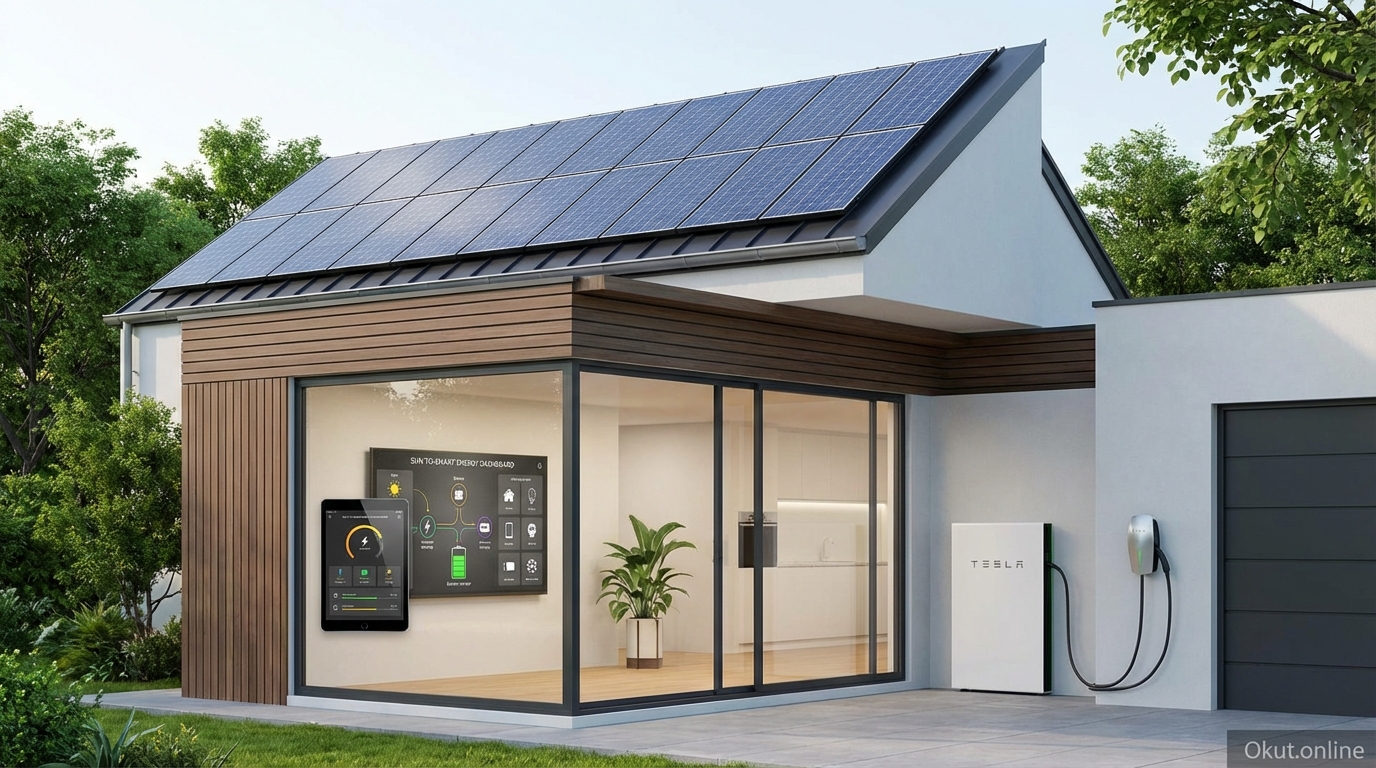
Solar power and smart home technology combine to create energy systems that are not just clean but genuinely intelligent—optimizing when you use energy, how much you store, and how effectively you balance production against consumption. In 2026, this integration extends from simple production monitoring to sophisticated systems that pre-cool your home when solar production peaks, shift heavy appliance operation to sunny hours, and ensure battery reserves maintain during grid uncertainty. This comprehensive guide explores how solar and smart home systems work together, examines the hardware enabling this integration, and demonstrates practical automations that maximize both solar value and home comfort.
I. Understanding Solar-Smart Home Integration
Solar power and smart homes complement each other in ways that multiply the benefits of each technology individually.
A. The Basic Integration Opportunity
Solar panels produce electricity that either powers your home, charges batteries, or exports to the grid. Without intelligence, production happens whenever sun shines while consumption happens whenever you use power—often mismatched.
Smart home technology enables shifting consumption to match production. Instead of running the dishwasher at dinnertime (after solar production ends) and exporting midday surplus (at lower value than evening grid power costs), intelligent systems run major loads when production exceeds baseline consumption.
This load-shifting maximizes self-consumption—the percentage of your solar production you use yourself rather than exporting. Self-consumption matters particularly where net metering credits exports at less than retail rate, or where time-of-use rates make midday grid power cheap and evening power expensive.
B. Integration Levels
Solar-smart home integration can be simple or sophisticated, depending on your equipment and automation ambitions.
Basic monitoring shows production and consumption data, helping you understand patterns without automating responses. Manual load-shifting based on this information still captures much potential value.
Automated scheduling runs high-consumption devices during typical production hours. This works even without real-time data—if the sun usually shines from 10 AM to 4 PM, scheduling during those hours captures most value.
Real-time responsive automation adjusts based on actual production moment-to-moment. Cloudy midday might pause scheduled loads; unexpectedly bright afternoon might trigger additional consumption to utilize surplus before export.
Predictive optimization uses weather forecasts, historical patterns, and machine learning to anticipate conditions and optimize behavior proactively rather than reactively.
II. Solar Monitoring Systems
Monitoring production and consumption provides the data foundation for intelligent solar management.
A. Inverter-Based Monitoring
Your solar inverter likely includes monitoring capability through manufacturer apps.
SolarEdge MyEnlightened, Enphase Enlighten, and SMA Sunny Portal represent major inverter manufacturer monitoring platforms. These apps show production data, system health, and often consumption if consumption monitoring is installed.
API access from some manufacturers enables integration with smart home platforms. SolarEdge and Enphase both provide APIs that Home Assistant, SmartThings, and custom automation systems can query for production data.
Integration limitations exist—not all inverter platforms expose all data, and integration sophistication varies. Check specific inverter compatibility before assuming seamless smart home integration.
B. Independent Energy Monitors
Adding independent monitoring provides consumption visibility that inverter platforms may lack while enabling unified dashboards.
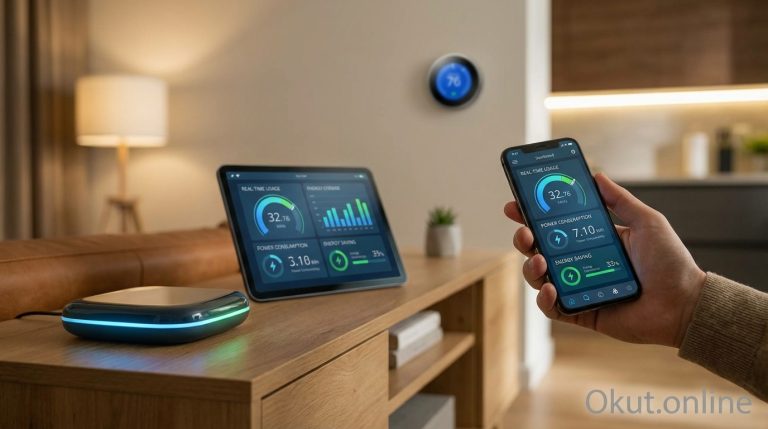
Sense Solar Edition ($349) monitors both solar production and home consumption, using machine learning to identify individual device consumption. The unified view shows net energy position (are you producing surplus or drawing from grid?) alongside device-level consumption breakdown.
Emporia Vue with solar monitoring provides budget-friendly ($99-150 depending on configuration) production and consumption tracking. Circuit-level monitoring options provide more granular consumption data than whole-home-only approaches.
Third-party integration makes these monitors valuable beyond their native apps. Home Assistant, IFTTT, and smart home platforms can use this data for automation triggers.
C. Smart Home Platform Integration
Consolidating solar data into your smart home platform enables automations impossible with standalone monitoring.
Home Assistant solar integration through REST APIs, custom components, or official integrations brings production data into the same platform controlling your switches, plugs, and thermostats.
SmartThings integration through device handlers or cloud connections enables similar consolidation for Samsung’s platform.
Trigger-based automation becomes possible once production data is accessible to automation platforms. “When production exceeds 4kW, activate EV charging” requires knowing production levels in real-time.
III. Battery Storage Integration
Battery storage adds time-shifting capability—store midday surplus for evening use rather than exporting at low value and buying back expensive evening power.
A. Smart Battery Management
Modern battery systems include intelligent management that smart home integration can enhance.
Tesla Powerwall integrates with the Tesla app and, through APIs and integrations, with Home Assistant and other platforms. Automated modes include self-consumption optimization, time-based rate arbitrage, and backup power reservation.
Enphase IQ Batteries integrate with Enphase solar systems for unified management through the Enphase app. Storm Guard and other intelligent features respond to forecasted conditions.
LG Chem RESU, Generac PWRcell, and other battery systems offer varying levels of smart integration, from basic app monitoring to sophisticated automation capability.
B. Automation Opportunities
Smart home integration enables battery management beyond manufacturer default behaviors.
Reserve management for anticipated needs: if you know a storm is coming (weather integration), automation can ensure batteries are fully charged before grid uncertainty arrives.
Time-of-use optimization: charge from grid during cheap overnight rates if forecasted production won’t fully charge batteries, ensuring evening capacity even on cloudy days.
Load prioritization during outages: if operating on battery backup, automation can shed non-essential loads to extend essential-circuit operation.
IV. Smart Thermostat Optimization
HVAC represents the largest controllable load in most homes, making thermostat optimization crucial for solar value maximization.
A. Pre-conditioning Strategies
Pre-conditioning uses solar production to heat or cool your home before production ends, reducing evening grid consumption.
Solar-based pre-cooling runs air conditioning more aggressively during peak production hours, dropping home temperature below typical setpoints. The home’s thermal mass holds the coolness into evening hours, reducing or eliminating AC operation when grid power would be required.
Winter pre-heating works similarly—run heat pumps during solar production hours to warm the home beyond typical setpoints, coasting through evening on stored warmth.
Automation triggers based on production levels can adjust thermostat setpoints dynamically. High production might allow maintaining 70°F instead of 74°F, banking coolness for later.
B. Thermostat Platform Integration
Smart thermostats with automation platform integration enable solar-aware temperature management.
Ecobee’s open API allows Home Assistant and other platforms to adjust temperatures based on solar data from separate monitoring systems.
Nest through Google Home integration can participate in routines triggered by solar production conditions.
Direct automation rules: “When solar production exceeds 5kW AND outside temperature is above 75°F, set AC to 68°F” captures the pre-conditioning logic explicitly.
V. Smart Appliance Scheduling
Beyond HVAC, other major appliances can shift operation to high-production hours.
A. Identifying Shiftable Loads
Not all loads can shift to solar hours, but many can with minimal lifestyle impact.
Dishwashers easily shift to afternoon operation. Load dishes after breakfast and lunch; run during peak production hours.
Laundry (washers and dryers) can start automatically during high production, completing before you need clean clothes rather than running whenever you remember.
EV charging represents significant load that often benefits from midday charging rather than evening plug-in. Workplace charging during workdays may conflict; weekend charging shifts to midday easily.
Pool pumps, hot tubs, and similar discretionary loads run whenever scheduled—scheduling during production hours is trivial.
B. Smart Plug Automation
Smart plugs enable shifting even non-smart appliances to solar-optimal timing.
Schedule-based shifting for appliances you set up the night before (dishwashers, washing machines) can delay start via smart plug until midday production hours.
Production-triggered automation on platforms with solar data integration can actually respond to real-time conditions—start the dishwasher only when production exceeds threshold, not at fixed time.
Caution with certain appliances: devices expecting continuous power (refrigerators, DVRs, devices with startup sequences) may not tolerate smart plug cycling. Evaluate each appliance’s suitability.
VI. Electric Vehicle Charging Integration
EV charging represents substantial, highly shiftable load that benefits enormously from solar optimization.
A. Smart EV Chargers
Modern EV chargers include scheduling and automation capabilities.
Tesla Wall Connector schedules through the Tesla app, integrating with Powerwalls for unified energy management.
ChargePoint Home Flex offers scheduling and some smart home integration capabilities.
Emporia EV Charger integrates with Emporia’s energy monitoring platform, enabling solar-aware charging decisions based on real-time production data.
API and platform integration for many chargers enables control through Home Assistant, SmartThings, or automation platforms.
B. Solar-Optimized Charging Strategies
Different strategies suit different situations and priorities.
Scheduled charging during typical production hours works without real-time data—if you know 10 AM to 3 PM typically produces surplus, schedule charging then.
Surplus-based charging triggers EV charging only when production exceeds home consumption, maximizing solar self-consumption for EV needs.
Minimum charge guarantees ensure sufficient charge for needed driving regardless of solar production, overriding optimization when practical needs require it.
Work schedule consideration: charging at home during solar hours only works on days you’re home. Weekday solar charging may not fit commuter patterns; weekend charging optimization captures more opportunity.
VII. Weather-Based Optimization
Weather forecasting enables predictive optimization rather than purely reactive responses.
A. Forecast Integration
Smart home platforms can access weather data for automation triggers.
Cloud forecast: if tomorrow will be cloudy, fully charge batteries today; run major loads while today’s sun shines.
Storm preparation: approaching storms trigger battery charging priority and potentially load reduction to maximize available backup capacity.
Temperature forecasting: if tomorrow will be extremely hot, pre-condition aggressively today when you have solar capacity.
B. Automation Examples
Weather-based automations combine forecast data with solar and device control.
“If tomorrow’s forecast shows less than 50% sun AND battery below 80%, enable overnight grid charging” ensures capacity for cloudy days.
“If afternoon forecast shows clouds approaching AND current production high, trigger immediate dishwasher/laundry operation” captures production before clouds arrive.
“If outdoor temperature forecast exceeds 95°F AND tomorrow’s forecast uncertain, pre-cool home to 68°F today during production hours” banks cooling capacity.
VIII. Energy Dashboard and Visualization
Unified dashboards help understand and optimize solar-smart home performance.
A. Home Assistant Energy Dashboard
Home Assistant’s built-in Energy Dashboard provides comprehensive visualization when properly configured with solar and consumption data.
Production vs. consumption graphs show how well consumption matches production timing.
Grid import/export tracking quantifies self-consumption percentage and identifies optimization opportunities.
Device-level consumption visibility (when energy monitoring provides this detail) identifies high-consumption devices for potential shifting.
B. Commercial Dashboard Solutions
Beyond DIY platforms, commercial solutions provide polished visualization.
Sense provides excellent visualization when solar edition monitors both production and consumption.
Inverter manufacturer apps (SolarEdge, Enphase) offer production-focused dashboards with varying consumption visibility.
Utility portals increasingly provide solar customer dashboards showing production credits and consumption patterns.
IX. Common Mistakes to Avoid
- Over-Complicating Initial Setup: Start with basic monitoring and simple scheduled automation. Add complexity as you understand your patterns and capabilities.
- Ignoring Lifestyle Impact: Automation that significantly inconveniences daily life won’t stick. Ensure optimizations work with your household rather than against it.
- Neglecting Battery Health: Aggressive cycling to maximize daily value may accelerate battery degradation. Consider long-term battery health alongside daily optimization.
- Assuming Perfect Forecasts: Weather forecasts are predictions, not certainties. Build buffers and fallbacks into weather-dependent automation.
- Forgetting Manual Override Needs: Sometimes you need the dishwasher NOW regardless of solar production. Ensure automations have easy override capabilities.
- Chasing Diminishing Returns: The first 50% of optimization value comes easily; the next 30% requires significant effort; the final 20% may not be worth pursuing.
X. Practical Tips for Solar-Smart Home Success
- Monitor Before Automating: Spend weeks understanding production and consumption patterns before building automations. Data reveals opportunities you might not anticipate.
- Start with Big Loads: Focus initial optimization on HVAC, water heating, and EV charging. These represent the largest optimization opportunities.
- Use Rule Stacking: Simple rules that layer (if producing AND if temperature AND if battery) create sophisticated behavior from simple components.
- Set Realistic Expectations: Solar-smart home optimization improves economics and sustainability but rarely transforms to complete grid independence. Celebrate meaningful improvement rather than expecting perfection.
- Document Your Automations: Complex rule sets become difficult to troubleshoot without documentation. Record what you’ve configured and why.
- Review Regularly: Seasonal changes, household changes, and rate changes all affect optimal strategies. Schedule quarterly reviews of your automation performance.
XI. Conclusion
Solar power and smart home technology form a natural partnership—solar provides clean energy, while smart home technology ensures you use that energy optimally. From simple monitoring that illuminates production patterns to sophisticated automations that pre-condition your home, shift major loads, and manage battery storage intelligently, the integration opportunities keep expanding. Whether you start with monitoring alone or dive into production-responsive automation, bringing your solar and smart home systems together maximizes both the financial return on solar investment and the environmental benefit of clean energy generation. The sun provides the power; smart technology ensures you capture its full value.
How do you currently manage your solar production, and what smart home integrations would help you optimize further? Share your solar-smart home setup in the comments!
About the Author