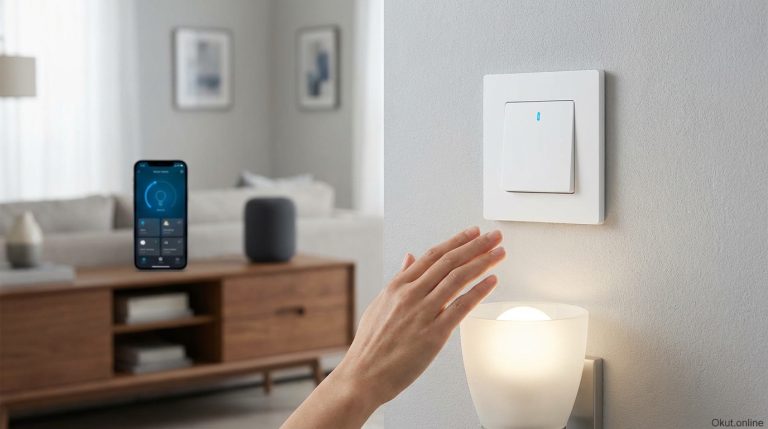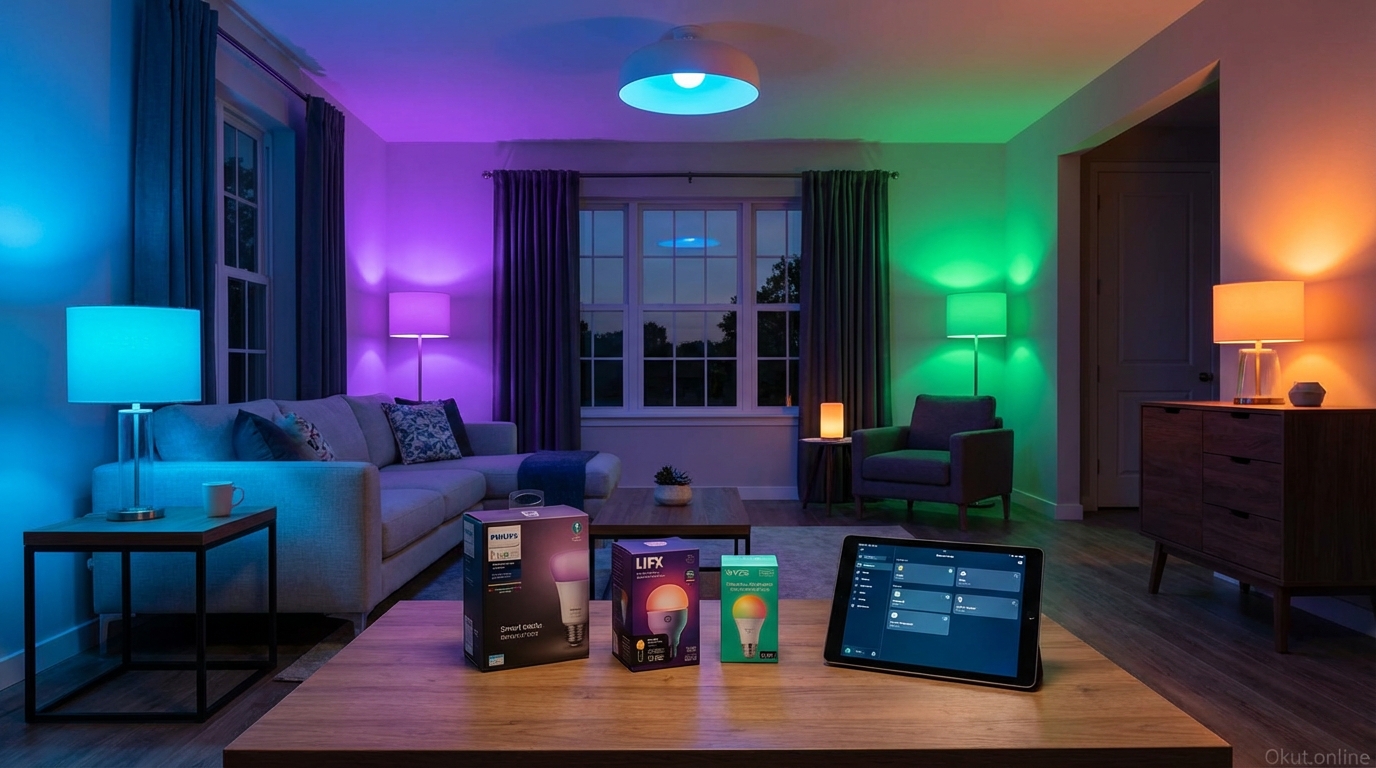
Smart light bulbs transform ordinary lighting into customizable, automated illumination that responds to your schedule, presence, and preferences. In 2026, the battle between Philips Hue, LIFX, and Wyze continues with each brand offering distinct advantages: Hue’s comprehensive ecosystem, LIFX’s direct Wi-Fi simplicity, and Wyze’s aggressive value pricing. This comprehensive comparison examines color quality, brightness capabilities, app features, smart home integration, and long-term value to help you choose the smart bulb platform that matches your needs and budget.
I. Smart Bulb Technology Overview
Before comparing specific brands, understanding how smart bulbs work and the fundamental technology differences between platforms helps you evaluate which approach suits your home and technical comfort level.
A. How Smart Bulbs Connect
Smart bulbs require wireless connectivity to receive commands from apps and automation systems. The connection method significantly affects setup complexity, reliability, network impact, and compatibility with your existing smart home infrastructure.
Wi-Fi bulbs connect directly to your home network router, the same way phones and computers connect. This approach requires no additional hardware—download the manufacturer’s app, screw in the bulb, and follow setup prompts to join your network. The simplicity appeals to first-time smart home users and single-bulb installations. However, each Wi-Fi bulb consumes a device slot on your router, and typical consumer routers struggle when dozens of smart devices compete for connections. Homes with many Wi-Fi bulbs may experience network congestion affecting both bulb reliability and general internet performance.
Zigbee bulbs use a low-power mesh networking protocol instead of Wi-Fi. These bulbs communicate with a hub (bridge) that translates between Zigbee and your Wi-Fi network. The hub is the only device consuming a Wi-Fi connection—dozens of Zigbee bulbs communicate through that single point without router overload. Additionally, Zigbee mesh networks become more reliable as you add devices; each powered device (like a light bulb) can relay signals for other devices, extending coverage throughout your home. The trade-off is that Zigbee requires purchasing the hub initially, adding $50-100 to system startup cost.
Bluetooth bulbs pair directly with phones and tablets for control, avoiding both Wi-Fi congestion and hub requirements. However, Bluetooth’s limited range (typically 30-50 feet) and requirement for the controlling device to be nearby restrict functionality. Most Bluetooth bulbs also support connection to bridges or smart speakers for remote control, but pure Bluetooth operation lacks the automation and remote access capabilities other protocols provide.
Matter and Thread represent newer protocols designed to unify smart home communication. Thread provides mesh networking similar to Zigbee with improved performance, while Matter provides the application layer ensuring devices from different manufacturers work together seamlessly. As these standards mature, they promise reduced fragmentation in the smart lighting market—bulbs supporting Matter should work with Apple Home, Google Home, Amazon Alexa, and other Matter-compatible platforms regardless of manufacturer.
B. Color Temperature and CRI Explained
Understanding color specifications helps you evaluate bulb quality beyond simple “color” or “white” designations that marketing materials emphasize.
Color temperature, measured in Kelvin (K), describes the warmth or coolness of white light. Lower values around 2700K produce the warm, yellowish light of traditional incandescent bulbs—cozy and relaxing, preferred for living rooms and bedrooms. Higher values around 4000-5000K produce cooler, bluer light similar to daylight—energizing and focused, preferred for workspaces and kitchens. Quality tunable white bulbs span from warm (2200K) to very cool (6500K), letting you match light temperature to activity and time of day.
Color Rendering Index (CRI) measures how accurately a light source reveals the true colors of objects compared to natural sunlight (which scores 100 CRI by definition). A bulb with 90+ CRI makes your artwork, furniture, and even skin tones look natural and vibrant. A bulb with 70 CRI casts everything in a slightly off, unnatural pallor that’s particularly noticeable with warm skin tones and red fabrics. Premium smart bulbs achieve 90-95 CRI; budget options may fall to 80 CRI or below.
Gamut width describes how many colors a color-capable bulb can actually produce. Marketing may claim “16 million colors” (mathematically possible combinations of RGB values), but practical color gamut varies significantly. Premium bulbs with rich, deep reds and saturated greens create more vibrant color effects than economy bulbs that produce muddy or washed-out hues. Direct comparison reveals these differences immediately—budget bulbs often produce disappointing colors that don’t match expectations from app color pickers.
II. Philips Hue Deep Dive
Philips Hue pioneered the modern smart bulb market starting in 2012 and remains the dominant ecosystem in market share and product breadth. Understanding Hue’s comprehensive approach explains both its premium pricing and the value it provides.
A. The Hue Ecosystem
Philips Hue isn’t just bulbs—it’s a complete lighting ecosystem spanning hundreds of products unified by the Hue Bridge and Hue app.
The Hue Bridge serves as the central hub connecting all Hue devices. This small square device connects to your router via Ethernet cable, providing the Zigbee radio that communicates with up to 50 Hue light points (bulbs, fixtures, light strips). The Bridge is required for all Hue products’ full functionality—while Hue Bluetooth bulbs offer limited direct control, the Bridge enables automations, scenes, remote access, and entertainment features that distinguish Hue from simpler alternatives.
Product variety spans every lighting form factor imaginable. Standard A19 bulbs replace common household fixtures; BR30 and recessed PAR bulbs serve ceiling cans; E12 candelabra bulbs fit chandeliers and decorative sconces; GU10 and MR16 spots serve track lighting and specialty fixtures. Beyond bulbs, Hue offers table lamps, floor lamps, pendant fixtures, play bars for entertainment, outdoor wall lights, path lights, and garden spotlights. This breadth means you can illuminate your entire property—inside and out—within a single ecosystem using a single app.
Third-party integration is where Hue truly excels. The Hue API is the most widely supported smart lighting interface in the industry. Nearly every smart home platform, automation app, and voice assistant supports native Hue integration. Custom automations through IFTTT, Home Assistant, or SmartThings work reliably with Hue. Entertainment sync features coordinate Hue lights with music, movies, and games. This ecosystem depth means that whatever you want to do with smart lighting in the future, Hue will almost certainly support it.
B. Hue Bulb Options and Pricing
Hue offers multiple bulb tiers at different price points, from white-only basics to premium color-capable bulbs with maximum brightness.
Hue White ($14-18 per bulb) provides tunable white light from warm (2200K) through cool (6500K) without color capability. At 800 lumens, these match the brightness of 60W incandescent equivalents. For spaces where color isn’t needed—hallways, closets, utility areas—White bulbs provide full automation and scene capability at the lowest Hue price point.
Hue White Ambiance ($25-30 per bulb) adds finer-tuned white temperature control with enhanced temperature range and dimming capabilities, but still no color. Some versions offer increased brightness (1100 lumens, 75W equivalent). These suit living spaces where you want the health benefits of circadian-appropriate white temperatures without the complexity of full color.
Hue White and Color Ambiance ($50-55 per bulb) provides the full Hue experience: 16 million colors, tunable white, and maximum brightness (1100 lumens in current versions). Color capabilities enable accent lighting, entertainment sync, and mood-based scenes. For feature flexibility and room-transforming color effects, Color Ambiance bulbs are worth the premium in living rooms, bedrooms, and entertainment spaces.
Hue Gradient Bulbs ($70+) represent Hue’s newest innovation, producing multiple colors simultaneously within a single bulb. These create rainbow effects, light blends, and dynamic color flows impossible with single-color-at-a-time bulbs. The premium pricing targets entertainment and ambient lighting enthusiasts who want cutting-edge effects.
C. Hue Strengths and Limitations
Hue’s decade of market leadership provides maturity and polish that newer competitors struggle to match.
Strengths include exceptional reliability (Zigbee mesh networking handles dozens of bulbs smoothly), the most polished app experience in smart lighting, unmatched third-party compatibility, and a product range covering virtually every lighting need. Installation and initial setup, while requiring the Bridge, proceed smoothly thanks to years of refinement.
Limitations center primarily on cost. Hue bulbs cost 2-4x more than budget alternatives per bulb, and the Bridge adds $50-60 to initial investment. Illuminating an entire home with Hue easily exceeds $1,000 where competitors might cost $200-400 for similar coverage. This premium buys ecosystem quality and longevity, but budget-conscious buyers may find equal day-to-day satisfaction with cheaper options.
III. LIFX Deep Dive
LIFX established itself as the premium Wi-Fi alternative to Hue, offering comparable color quality without requiring a hub. This simplicity combined with high specifications makes LIFX attractive to quality-focused buyers who want fewer devices in their smart home.
A. Wi-Fi Direct Architecture
LIFX bulbs connect directly to your Wi-Fi network, eliminating the hub requirement that Hue demands. Each bulb is independently intelligent, containing all processing and connectivity needed for app control, scheduling, and automation.
Setup simplicity makes LIFX appealing for casual users or small deployments. Download the app, screw in a bulb, and follow prompts—there’s no hub to position, connect, or configure. For someone wanting 2-3 smart bulbs without committing to a full smart home infrastructure, LIFX gets you running in minutes.
Network considerations become important at scale. Each LIFX bulb consumes a DHCP address and maintains connections to your router. Consumer routers typically support 20-32 simultaneous devices reasonably well; beyond that, connection reliability may degrade. Homes planning extensive smart bulb deployment should evaluate their router’s device capacity and potentially upgrade networking before adding dozens of Wi-Fi bulbs.
No single point of failure means individual bulbs continue functioning if others fail or network issues occur. There’s no hub that could malfunction and take your entire lighting system offline simultaneously—each bulb operates independently based on its last instructions even during network problems.
B. LIFX Product Range and Pricing
LIFX offers fewer products than Hue but covers primary use cases with high-specification bulbs.
LIFX A19 Full Color ($49-55 per bulb) provides the complete LIFX experience: 1100 lumens brightness, 16 million colors, and tunable white from 2500K to 9000K. The exceptionally wide white range extends beyond most competitors, providing both warmer and cooler white options. Color rendering quality is excellent, with saturated reds and greens that match Hue’s capability.
LIFX Mini ($35-45 per bulb) fits smaller fixtures with a compact form factor while maintaining color capability at slightly reduced brightness (800 lumens). These work well in chandeliers, wall sconces, and other fixtures where standard A19 bulbs are too large.
LIFX BR30 ($55-60) serves recessed ceiling fixtures with color capability and 1100 lumen output. The downlight form factor spreads light effectively for general room illumination while still providing full color effects for entertainment or ambient lighting.
LIFX Z Strip ($90-100) provides color-capable LED strip lighting for accent applications, TV backlighting, or under-cabinet illumination. Individual zone control allows multiple colors along the strip length, enabling gradient and dynamic effects without additional hardware.
LIFX Beam and Tile products ($200+) create decorative wall art with modular panels and bars that display colors and effects as both ambient lighting and visual decoration. These target entertainment and design-focused applications rather than general illumination.
C. LIFX Strengths and Limitations
LIFX provides premium quality without hub requirements but carries limitations that matter for certain users.
Strengths include genuinely excellent color quality rivaling Hue, the widest white temperature range in the market, no hub purchase required, and straightforward initial setup. For small to medium deployments (10-20 bulbs), LIFX provides premium performance without the Hue ecosystem investment.
Limitations include Wi-Fi network dependency causing potential reliability issues at scale, somewhat higher latency than Zigbee-based systems (commands take slightly longer to execute), and a narrower product range that may not cover specialized fixture needs. The LIFX app, while functional, lacks the polish and feature depth of Hue’s more mature application.
IV. Wyze Bulb Deep Dive
Wyze disrupted the smart home market with aggressively priced products that challenge assumptions about how much smart devices should cost. Their smart bulbs continue this value-focused approach, providing basic smart lighting capabilities at a fraction of premium competitors’ prices.
A. Value Proposition
Wyze bulbs cost approximately one-quarter to one-third of LIFX or Hue equivalents, fundamentally changing the economics of whole-home smart lighting deployment.
The Wyze Bulb Color ($14-18 per bulb) provides 1100 lumens, 16 million colors, and tunable white from 2700K to 6500K—specifications remarkably similar to $50+ competitors at one-third the price. For budget-constrained buyers or those wanting to outfit many fixtures without major investment, Wyze makes smart lighting accessible.
The Wyze Bulb White ($8-10 per bulb) provides tunable white without color capability at even lower cost. At under $10 per bulb, deploying smart lighting throughout your home costs less than a single premium bulb from competitors.
Deploy-everywhere economics mean spaces that might not justify $50 smart bulbs become practical at Wyze pricing. Closets, storage rooms, guest rooms, and utility spaces all become candidates for smart automation when the per-bulb cost is negligible.
B. Technical Trade-offs
Wyze’s aggressive pricing requires compromises that matter for some applications while proving irrelevant for others.
Color rendering quality is noticeably inferior to premium alternatives. Side-by-side comparison reveals muddier, less saturated colors—reds trend toward orange, greens appear washed out. For ambient accent lighting where exact color fidelity is secondary, this limitation matters little. For entertainment sync or precise color matching to décor, the difference is obvious.
White light temperature range is narrower than competitors (2700K-6500K versus Hue’s 2200K-6500K or LIFX’s 2500K-9000K). For most practical purposes, this range covers useful temperatures, but those wanting extra-warm candlelight tones or extremely cool daylight simulation may find Wyze limiting.
Ecosystem integration is less comprehensive than established platforms. While Wyze works with Alexa, Google Home, and IFTTT, advanced automation platform integration (Home Assistant, SmartThings) may be less polished. The Wyze app handles basic scheduling and automation but lacks the sophisticated scene creation and entertainment features premium apps offer.
Build quality perceptions vary among users. Some report years of reliable operation; others experience premature failures. At Wyze prices, replacing an occasional failed bulb costs less than the premium paid for higher-quality alternatives, but frequent failures would frustrate regardless of replacement cost.
C. Wyze Strengths and Limitations
Wyze targets a specific value proposition: maximum smart lighting coverage for minimum investment.
Strengths include unbeatable price-to-feature ratio, adequate specifications for most lighting tasks, Wi-Fi simplicity without hub requirements, and aggressive pricing that enables whole-home smart lighting on tight budgets.
Limitations include inferior color quality compared to premium options, less comprehensive smart home integration, potential reliability concerns, and limited product variety (primarily standard A19 bulbs). These limitations may be irrelevant for basic smart lighting use; they become significant for aspirational smart home builders wanting premium experiences.
V. Head-to-Head Comparison
This comprehensive comparison table highlights the key differences between flagship products from each brand.
| Feature | Philips Hue Color | LIFX A19 Color | Wyze Bulb Color |
|---|---|---|---|
| Price per Bulb | $50-55 | $49-55 | $14-18 |
| Hub Required | Yes ($50-60 Hue Bridge) | No (Wi-Fi direct) | No (Wi-Fi direct) |
| Brightness | 1100 lumens | 1100 lumens | 1100 lumens |
| White Temperature Range | 2200K-6500K | 2500K-9000K | 2700K-6500K |
| Color Quality | Excellent (90+ CRI) | Excellent (90+ CRI) | Adequate (80+ CRI) |
| Alexa Support | Yes (native) | Yes (native) | Yes (native) |
| Google Home Support | Yes (native) | Yes (native) | Yes (native) |
| HomeKit Support | Yes (native) | Yes (native) | No |
| Product Variety | Extensive (100+ products) | Moderate (15-20 products) | Limited (3-4 products) |
| Entertainment Sync | Yes (Hue Sync) | Yes (PC/TV apps) | No |
VI. Smart Home Integration Comparison
How bulbs integrate with your broader smart home ecosystem significantly affects their practical value for automation and convenient control.
A. Voice Assistant Compatibility
All three brands support major voice assistants, but integration depth varies.
Amazon Alexa integration works natively for all three brands. Group bulbs into rooms, control via voice commands, integrate with Alexa routines. Hue and LIFX offer slightly more granular control options, but Wyze covers the essential voice control functionality adequately.
Google Home similarly supports all three brands with native integration. Room grouping, voice control, and routine integration work across the board. Google Home integration with Hue benefits from years of refinement; Wyze integration handles basics competently.
Apple HomeKit support differs significantly. Hue provides native HomeKit support, appearing directly in Apple’s Home app with full Siri control and automation capabilities. LIFX also supports HomeKit natively. Wyze does not support HomeKit, excluding it from Apple-centric smart homes without workarounds involving third-party bridges.
B. Automation Platform Integration
For advanced users running automation platforms like Home Assistant or SmartThings, integration capabilities affect what’s possible.
Hue integrates with virtually every automation platform through its mature, well-documented API. Home Assistant treats Hue as a first-class citizen; SmartThings, Hubitat, and other platforms support extensive Hue functionality. Custom integrations, status queries, and complex automation triggers all work reliably.
LIFX provides good automation platform support, though slightly less comprehensive than Hue’s decade-refined ecosystem. Home Assistant integration works well; other platforms support basic to moderate functionality. Wi-Fi architecture occasionally causes discovery or reconnection challenges that don’t affect Zigbee alternatives.
Wyze automation integration is less comprehensive. While basic IFTTT applets and standard platform integrations exist, advanced automation capabilities lag behind premium alternatives. Users building sophisticated automation setups may find Wyze limiting.
C. Entertainment and Media Sync
Syncing lights to movies, music, and games creates immersive entertainment experiences, but capability varies dramatically by brand.
Philips Hue Sync represents the most developed entertainment integration in smart lighting. The Hue Sync Box ($249) connects between video sources and your TV, analyzing on-screen content and instantly adjusting Hue lights to match colors and intensity. PC and Mac software syncs lights to games and video content displayed on screens. Music sync through Spotify integration creates light shows matching audio being played. This entertainment ecosystem is Hue’s most differentiated feature for entertainment enthusiasts.
LIFX provides music and screen sync through mobile and desktop apps, achieving similar effects without dedicated hardware like the Hue Sync Box. The experience is slightly less polished but capable of creating engaging entertainment environments without additional investment.
Wyze lacks native entertainment sync features. No official music visualization or screen syncing exists. Third-party solutions may exist but aren’t supported or integrated into the Wyze app experience.
VII. Installation and Setup
Initial setup experience affects first impressions and ongoing satisfaction. Understanding each platform’s onboarding process helps you prepare for smooth installation.
A. Philips Hue Setup
Hue setup requires the Bridge before adding bulbs, adding a step that other platforms don’t require but enabling the ecosystem benefits that make Hue valuable.
Connect the Hue Bridge to your router via included Ethernet cable, plug in power, and wait for status lights to indicate readiness. The Bridge needs a wired Ethernet connection—Wi-Fi positioning for the Bridge itself doesn’t apply.
Install the Hue app, create a Philips Hue account, and follow prompts to pair the app with your Bridge by pressing the physical button on the Bridge when prompted.
Add bulbs by turning them on (this makes them discoverable) and using the app’s “Add Light” function. The app searches for new bulbs, discovers them, and adds them to your Bridge. Brand-new bulbs add almost instantly; factory-reset bulbs from previous setups may take slightly longer.
Create rooms and zones to organize bulbs logically. Assign each bulb to appropriate rooms so voice commands (“Turn off living room lights”) and room-based controls work correctly. This organizational step takes time for large installations but pays dividends in everyday usability.
B. LIFX Setup
LIFX’s hub-free approach streamlines initial setup, particularly for small deployments.
Install the LIFX app and create an account before handling any bulbs. Having the app ready speeds the per-bulb setup process.
Screw in a LIFX bulb and turn on its power switch. The bulb enters pairing mode automatically when first powered (cycling through colors to indicate ready state).
The LIFX app discovers the bulb, prompts you to enter your Wi-Fi network credentials, and transfers those credentials to the bulb. The bulb connects to your network and appears in the app within a minute or two.
Repeat for each bulb, organizing into groups/rooms as you add them. The process is quick for individual bulbs but becomes time-consuming for large deployments as each bulb requires individual Wi-Fi credential entry.
C. Wyze Bulb Setup
Wyze setup mirrors LIFX’s Wi-Fi approach with similarly simple per-bulb onboarding.
Install the Wyze app and create an account (or log into existing Wyze account if you already use Wyze products). The Wyze app handles all Wyze devices—cameras, sensors, and bulbs—so you may already have it installed.
Add the bulb through the app’s device addition process, specifying “Wyze Bulb” as the product type. Turn on the bulb and confirm it’s in pairing mode (breathing light pattern).
Enter Wi-Fi credentials when prompted. The app transfers credentials to the bulb, which connects to your network and appears in the Wyze app.
Wyze’s app may prompt firmware updates after initial pairing—allow these updates to ensure you have the latest features and fixes.
VIII. Long-Term Ownership Considerations
Smart bulbs represent multi-year investments. Understanding reliability, ecosystem longevity, and support expectations helps you choose platforms you’ll be satisfied with over time.
A. Reliability and Lifespan
LED bulbs generally last 15,000-25,000 hours, translating to 10-15 years of typical residential use. However, smart bulb electronics may fail before LED elements reach end of life.
Philips Hue reliability is generally excellent. The mature ecosystem benefits from years of refinement, and the Zigbee mesh architecture provides robust communication that isn’t affected by Wi-Fi congestion. Hue’s 2-3 year warranty exceeds many competitors.
LIFX reliability is generally good, though some users report failures within the first few years. Wi-Fi connectivity occasionally causes reconnection issues after router changes or network outages. LIFX’s warranty covers 2 years from purchase.
Wyze reliability reports are mixed. The dramatically lower price point appears to correlate with higher failure rates for some users, though many others report years of trouble-free operation. Wyze’s 1-year warranty is shorter than premium alternatives. At Wyze prices, replacing occasional failures costs less than premium alternatives’ higher initial investment, but frequent failures would prove frustrating regardless of replacement economics.
B. Ecosystem and Platform Future
Smart home platforms can be discontinued, leaving connected devices stranded. Platform viability matters for long-term investment protection.
Philips Hue is almost certainly the safest long-term bet in smart lighting. Signify (Philips’ lighting division) remains committed to the platform, with continuous product development and feature enhancement. The massive installed base ensures ongoing support; abandoning millions of users would be commercially suicidal. Hue’s Matter/Thread adoption provides additional future-proofing through industry-standard protocols.
LIFX was acquired by Feit Electric in 2022, providing corporate backing that strengthens viability. The company continues product development and platform enhancement. Matter compatibility is being added to new products, providing standards-based interoperability that would continue even if the LIFX app were eventually discontinued.
Wyze viability seems solid but less certain than established giants. The company has grown rapidly but operates on tight margins that could prove challenging if market conditions change. Wyze devices rely on Wyze cloud services; if those services ceased, bulbs would lose smart functionality. At Wyze prices, this risk may be acceptable—losing $200 worth of bulbs is less painful than losing $1,500 worth.
IX. Recommendations by Use Case
Different situations call for different smart bulb choices. These recommendations match platforms to specific needs.
A. Choose Philips Hue If:
- You want the most polished, reliable smart lighting experience available
- You plan to add many bulbs over time and want comprehensive product variety
- Entertainment sync for movies, games, and music matters to you
- You use Apple HomeKit and want native integration
- You’re building an extensive smart home and value integration depth
- You prioritize long-term platform stability and ongoing development
- Budget is secondary to quality and capability
B. Choose LIFX If:
- You want premium color quality without hub requirements
- Your deployment is moderate (10-20 bulbs) without exceeding Wi-Fi limits
- You prefer simpler setup without additional hardware
- Extremely wide white temperature range matters (warmer and cooler than competitors)
- You use HomeKit but don’t want Hue’s ecosystem investment
- Individual room or workspace lighting is the focus rather than whole-home deployment
C. Choose Wyze If:
- Budget is the primary consideration
- You want to try smart lighting without major investment
- Basic scheduling and voice control cover your needs
- Color quality perfection isn’t critical for your use cases
- You’re already in the Wyze ecosystem with cameras or sensors
- You want smart lighting in utility spaces where premium bulbs seem extravagant
X. Common Mistakes to Avoid
- Mixing Ecosystems Randomly: Using Hue in some rooms, LIFX in others, and Wyze elsewhere creates app sprawl and automation complexity. Choose a primary platform and expand within it for unified control.
- Ignoring Switch-Off Risk: Smart bulbs need constant power—if wall switches are turned off, bulbs become dumb bulbs that can’t respond to commands. Plan for switch covers, smart switches, or family education to prevent switched-off smart bulbs.
- Underestimating Wi-Fi Capacity: Dozens of Wi-Fi bulbs can overwhelm consumer routers. Before deploying 30+ LIFX or Wyze bulbs, verify your router handles the device count reliably.
- Buying for Features You Won’t Use: Premium color bulbs in closets and utility areas waste money. Match bulb capabilities to location requirements—white-only bulbs suffice for many spaces.
- Not Testing Before Committing: Before deploying throughout your home, test your chosen platform in one room. Evaluate app usability, reliability, and whether the experience meets expectations before scaling.
XI. Conclusion
Philips Hue, LIFX, and Wyze each serve distinct market positions in smart lighting. Hue justifies its premium pricing through ecosystem depth, reliability, and entertainment features that set the industry standard. LIFX delivers comparable quality in a hub-free package for users wanting simplicity without sacrificing performance. Wyze democratizes smart lighting with aggressive pricing that makes whole-home deployment accessible to any budget, accepting quality trade-offs that prove irrelevant for many use cases. Your choice depends on your priorities: maximum quality and features (Hue), premium quality with simplified setup (LIFX), or maximum value at entry-level pricing (Wyze). Any of these platforms can transform your home lighting into an intelligent, responsive system—the right choice is the one matching your budget, technical comfort, and feature requirements.
Which smart bulb brand are you considering, or which have you already tried? What features matter most for your lighting needs? Share your experience in the comments!
About the Author