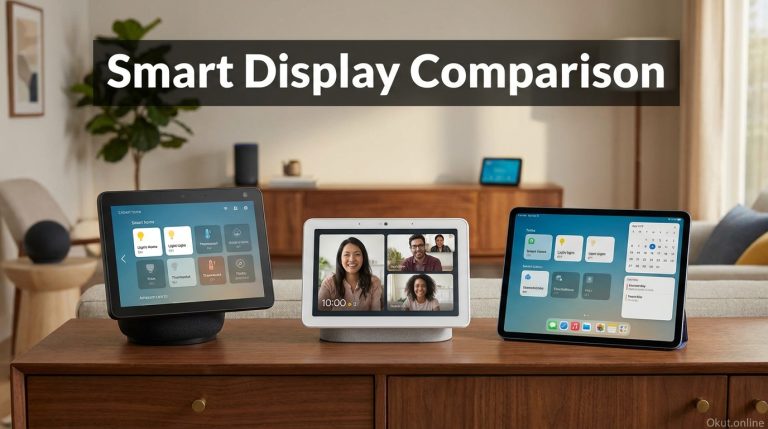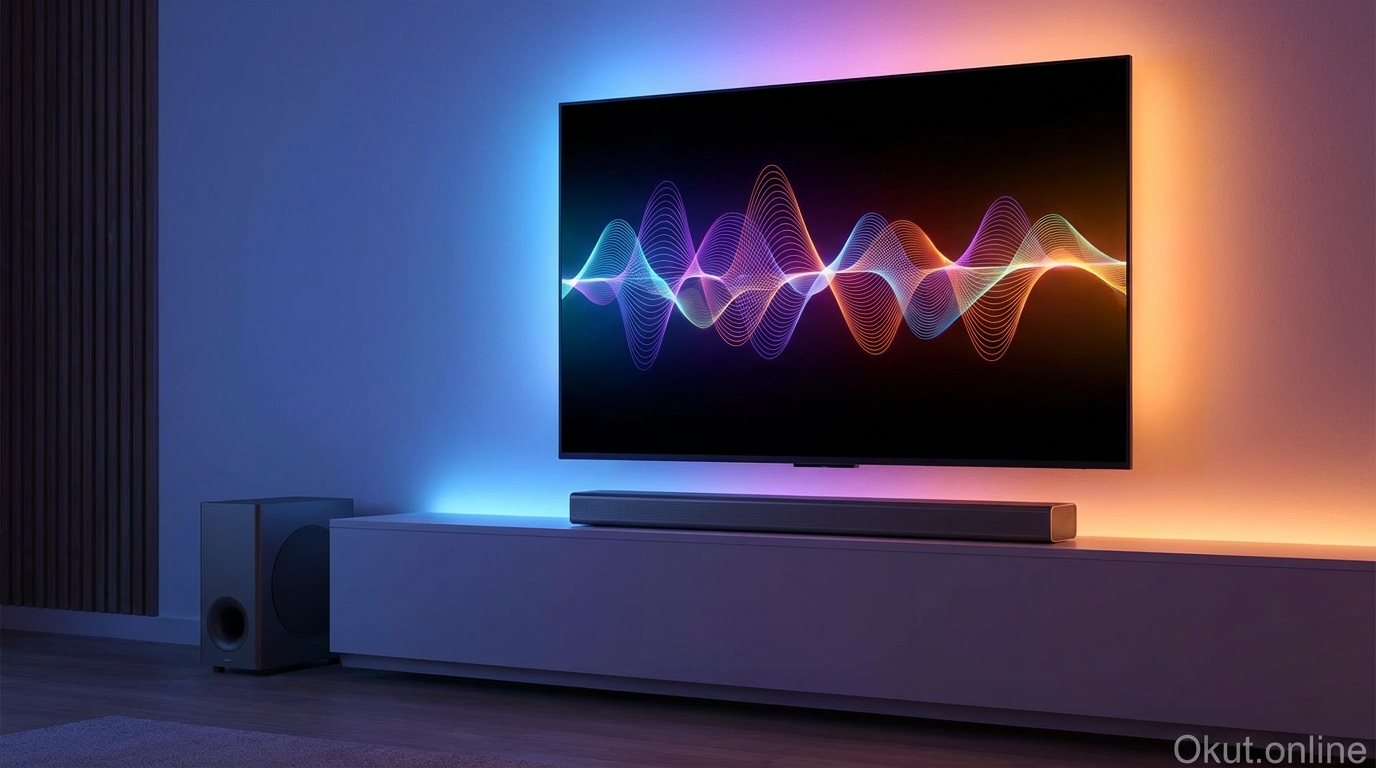
Soundbars and wireless speakers have evolved from simple TV audio upgrades to sophisticated components of connected home entertainment systems, offering voice assistant integration, multi-room audio capability, and premium sound quality rivaling traditional audio equipment. In 2026, options range from budget soundbars under $200 to premium Dolby Atmos systems exceeding $1,000. This guide compares top soundbar and wireless speaker options, explains smart features worth prioritizing, and helps you select the right audio solution for your entertainment needs and budget.
I. Soundbar Categories
Understanding soundbar types helps you choose the right category for your needs.
A. Basic Soundbars ($50-200)
Entry-level soundbars provide TV audio improvement without advanced features.
Typical features: 2.0 or 2.1 channel audio, Bluetooth connectivity, basic remote control.
Smart features: Often minimal or absent—no voice assistant, limited app control.
Best for: TV audio upgrade on limited budget; secondary TVs.
B. Mid-Range Smart Soundbars ($200-500)
Mid-range soundbars add smart features and improved audio quality.
Typical features: 3.1 or 5.1 channel simulated/actual, Dolby Atmos support, voice assistant integration.
Smart features: Voice assistants built-in, app control, multi-room capability in some.
Best for: Primary TV sound with smart home integration.
C. Premium Soundbar Systems ($500-1,500+)
Premium soundbars deliver truly immersive audio with comprehensive smart features.
Typical features: True Dolby Atmos with upfiring speakers, wireless subwoofer, rear speaker options.
Smart features: Full voice assistant integration, multi-room audio, room calibration.
Best for: Home theater enthusiasts; users wanting premium audio with smart capability.
II. Top Soundbars (2026)
A. Sonos Arc – $899
Premium soundbar with exceptional sound and comprehensive smart features.
Audio: 11-driver system with true Dolby Atmos support from upfiring speakers.
Smart features: Alexa, Google Assistant, and Sonos Voice; full multi-room audio capability; Trueplay room calibration.
Expandability: Add Sonos Sub and Sonos rear speakers for full surround.
Best for: Premium home theater in Sonos ecosystem.
B. Samsung HW-Q990C – $1,399
Samsung’s flagship system with true 11.1.4 channel surround.
Audio: Soundbar plus wireless subwoofer plus wireless rear speakers included; true surround from all positions.
Smart features: SmartThings integration, Alexa built-in, Samsung TV optimization.
Expandability: Complete system included; integrates with Samsung Q-Symphony TVs.
Best for: Complete home theater setup; Samsung TV owners.
C. Bose Smart Soundbar 600 – $499
Compact Bose soundbar with Dolby Atmos in smaller footprint.
Audio: 5 speakers with upfiring drivers for Atmos height effects.
Smart features: Alexa and Google Assistant built-in, Bose Music app, ADAPTiQ room calibration.
Expandability: Pairs with Bose Bass Module and surround speakers.
Best for: Bose sound in compact form; smart soundbar with room correction.
D. Sonos Beam (Gen 2) – $499
Compact soundbar with impressive features for its size.
Audio: 5-driver system with virtual Dolby Atmos processing.
Smart features: Voice assistants built-in, Trueplay calibration, full Sonos ecosystem integration.
Expandability: Add Sub and rear Sonos speakers for full system.
Best for: Smaller rooms; Sonos users wanting compact Atmos.
E. Vizio M-Series 5.1 – $299
Value system with wireless subwoofer and rear speakers included.
Audio: 5.1 system with dedicated subwoofer and satellite speakers.
Smart features: Chromecast built-in, basic voice control via phone.
Expandability: Complete system as packaged.
Best for: Budget surround sound with real rear channels.
III. Wireless Smart Speakers
Standalone smart speakers provide room audio with voice assistant integration.
A. Sonos Era 300 – $449
Sonos’s spatial audio speaker with Dolby Atmos music support.
Audio: 6 drivers including upward-firing for height effects; spatial audio from stereo and Dolby Atmos sources.
Smart features: Voice assistants, Trueplay, full Sonos ecosystem.
Best for: Premium room audio; spatial audio music playback.
B. Sonos Era 100 – $249
Updated Sonos One with improved sound and connectivity.
Audio: 2 tweeters and woofer for balanced room-filling sound.
Smart features: Voice assistants, Trueplay, multi-room with Sonos ecosystem.
Best for: Room audio in Sonos whole-home system.
C. Apple HomePod (2nd Gen) – $299
Apple’s premium smart speaker with exceptional audio quality.
Audio: High-excursion woofer, 5 tweeters, spatial audio with Dolby Atmos.
Smart features: Siri, HomeKit hub, Intercom, room sensing.
Best for: Apple ecosystem; users prioritizing audio quality and privacy.
D. Amazon Echo Studio – $200
Amazon’s premium speaker with Dolby Atmos and 3D audio.
Audio: 5 speakers including upward-firing for 3D audio effects.
Smart features: Full Alexa integration, smart home hub, Room Correction.
Best for: Alexa-centric households wanting quality music playback.
IV. Smart Audio Features
A. Voice Assistant Integration
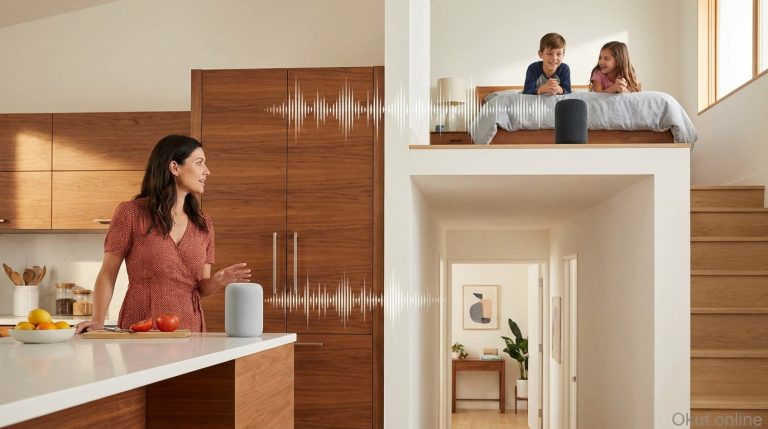
Built-in voice assistants add hands-free control and smart home capability.
Alexa: Most common integration; extensive skill library.
Google Assistant: Strong with Google services; excellent natural language.
Siri: Apple ecosystem exclusive; privacy-focused.
B. Multi-Room Audio
Play synchronized music throughout your home across multiple speakers.
Sonos: Industry-leading multi-room with grouping and independent zones.
AirPlay 2: Apple’s multi-room for HomePod and compatible devices.
Alexa Multi-Room: Amazon’s solution across Echo devices.
Chromecast groups: Google’s approach for compatible speakers.
C. Room Calibration
Automatic adjustment for room acoustics improves sound quality.
Sonos Trueplay: Uses iPhone microphone to measure and optimize.
Bose ADAPTiQ: Measures room using included headset microphone.
Samsung Q-Symphony: Integrates soundbar and TV speakers together.
V. Soundbar Selection Guide
| Use Case | Recommended | Budget |
|---|---|---|
| Basic TV upgrade | Vizio M-Series 2.1 | $150-200 |
| Smart soundbar | Sonos Beam (Gen 2) | $499 |
| Premium home theater | Sonos Arc | $899+ |
| Complete surround | Samsung HW-Q990C | $1,399 |
| Apple ecosystem | HomePod + Apple TV | $299-428 |
| Budget surround | Vizio M-Series 5.1 | $299 |
VI. Common Mistakes to Avoid
- Ignoring Room Size: Premium soundbar in tiny room may be overkill; compact soundbar in large room may disappoint.
- Forgetting Subwoofer: TV placement in entertainment center may limit subwoofer placement options.
- Prioritizing Spec Over Sound: Channel count (3.1 vs 5.1) matters less than actual sound quality.
- Mixing Ecosystems: Choose audio equipment compatible with your voice assistant and smart home platform.
VII. Practical Tips
- Use Room Calibration: Run calibration after setup—it genuinely improves sound quality.
- Enable Voice When Useful: Voice control for volume and playback control adds convenience.
- Consider Expansion: Choose systems with upgrade paths if you may want surround later.
- Check TV Compatibility: Verify soundbar supports your TV’s audio formats (eARC for Atmos passthrough).
VIII. Conclusion
Soundbars and wireless speakers provide significant audio upgrade while adding smart home integration unavailable from traditional audio equipment. Sonos leads for multi-room audio and ecosystem depth; Samsung offers complete surround packages; Bose provides signature sound in smart format; Apple delivers premium audio for Apple households. For most users, a mid-range smart soundbar ($300-500) with subwoofer provides excellent TV audio with voice control and room calibration. Premium systems ($800+) suit dedicated home theaters where immersive audio justifies investment.
What audio system would best improve your entertainment experience? Share your soundbar or speaker setup in the comments!
About the Author